
5 Questions for An Advisor
We often hear the same questions from collectors, designers, and curious art lovers alike. The art world, from the outside, can sometimes feel mysterious - full of insider language, unwritten rules, and traditions that aren’t always obvious to newcomers.
We asked art advisor Luisa Castellanos to answer some of the questions she hears most often from clients. Her insights offer a look behind the scenes - into how art advisors think, how collectors make decisions, and how meaningful collections come together over time.
At its heart, art isn’t about exclusivity - it’s about connection. Connection between an artist and a collector, between an artwork and the space it inhabits, and between a client’s vision and the reality of bringing that vision to life. Our role as advisors is to make those connections visible, to translate the complex into the approachable, and to help ensure the art feels not only significant but deeply personal.
How do you choose which galleries and fairs to attend each year?
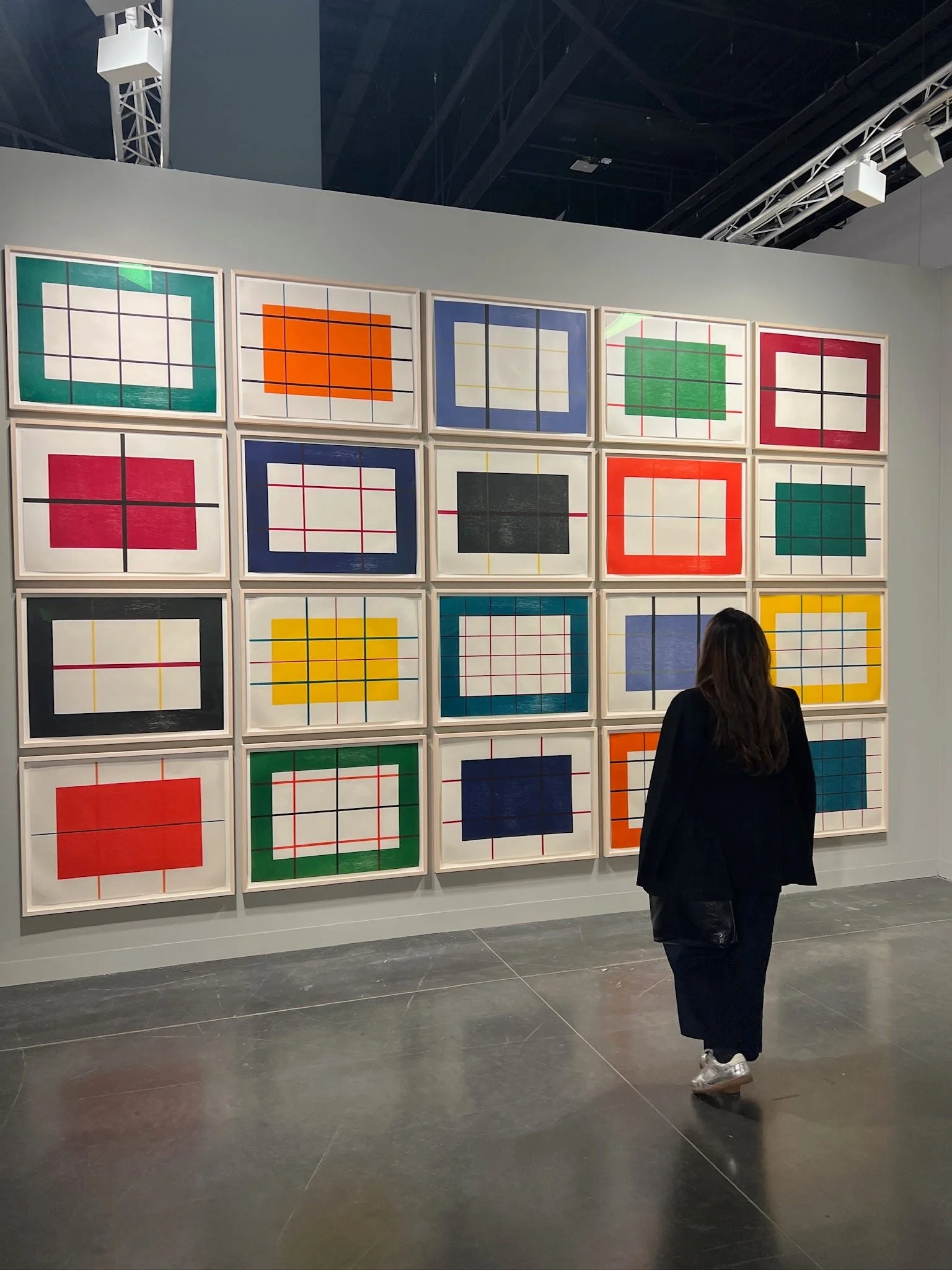
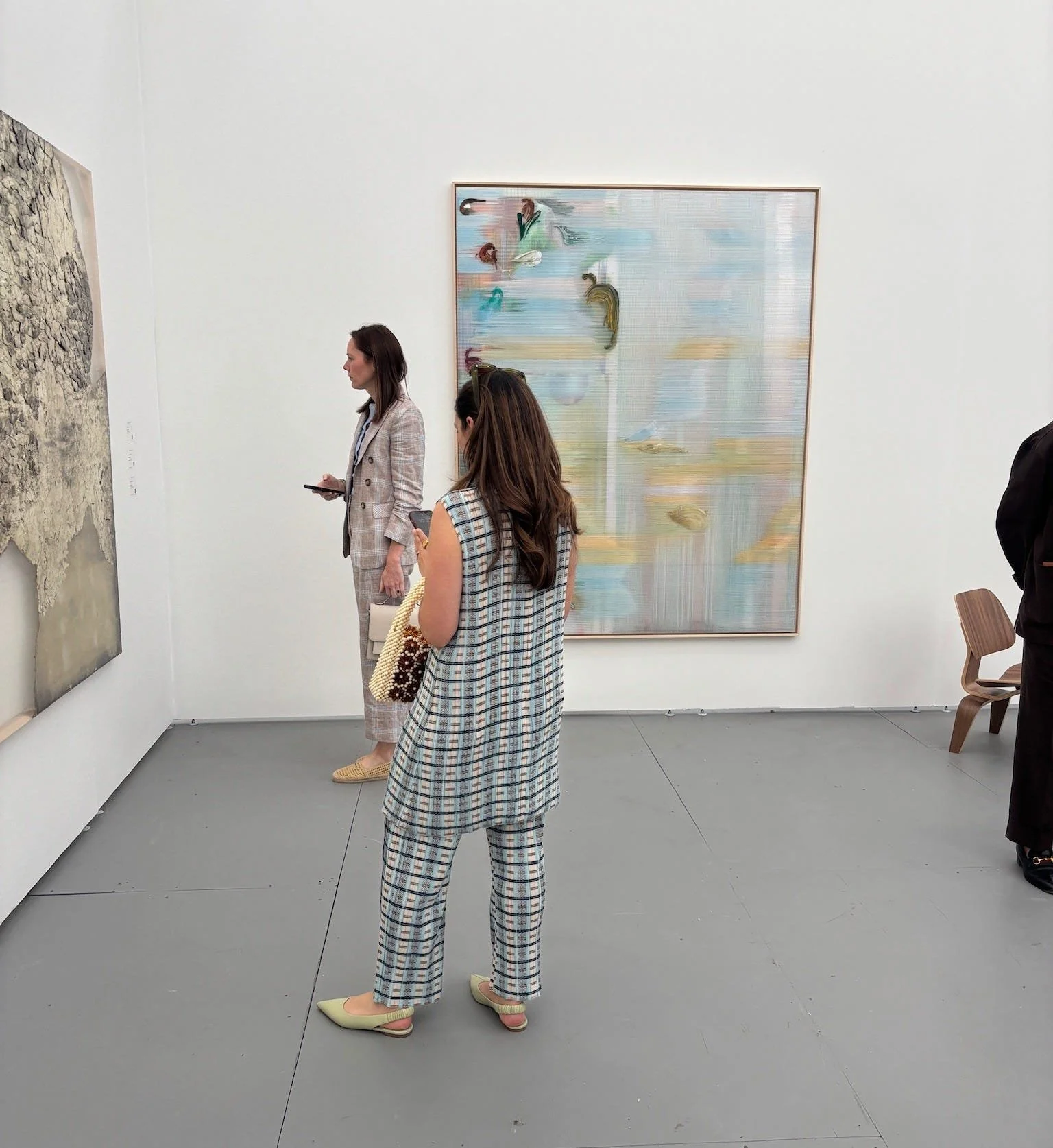
Our priority is always our clients’ interests, so we choose which galleries and fairs to attend each year based on what will best serve them. We focus on events that feature artists aligned with our clients’ collections and upcoming projects, while also keeping an eye on emerging artists and broader market trends. Attending fairs allows us to stay ahead of the curve, discovering new artists, following shifts in the market, and gaining a sense of where the conversation in the art world is headed. In this way, we’re not only responding to our clients’ needs but also anticipating them.
We also make the most of each city we visit. For example, if we’re in New York for The Armory Show, we’ll also stop by galleries, attend openings, visit museum exhibitions, and go to other art fairs happening at the same time. We never focus on just one event; instead, we look at the wider picture of what’s happening across the city, since art fairs often spark a wave of programming that extends far beyond the fair itself.
Frieze London is about to kick off and our coworker, Katie, will be there scouting. We’re so excited to see all of her wonderful finds! Be sure to keep an eye out for that, we’ll be posting regularly on our Instagram with her favorites.


What’s the difference between buying at a gallery and buying at auction?
Buying through a gallery is a more personal, relationship-driven process - rooted in dialogue and connection - while buying at auction offers excitement and momentum, but often feels less personal.
Galleries represent or work closely with artists, so when you buy there, you’re often supporting the artist directly. Prices are typically fixed, and you have the chance to learn more about the artist’s practice and see other works in context. Galleries also play a role in building and protecting the long-term value of an artist’s market, and in some cases, access to certain works may be reserved for trusted collectors, something we can help our clients navigate.
Auctions, on the other hand, are more public and fast-paced. Works are consigned by collectors, estates, or sometimes galleries, and prices are set by competitive bidding. Sometimes this means a chance to secure an important work at an excellent value, while other times the competition drives prices well above estimates. Unlike galleries, auctions usually don’t have the same long-term relationship with the artist, and there are additional costs like buyer’s premiums to consider. One key difference is transparency: auction results are part of the public record, which can influence future resale value, while gallery sales remain private.
Navigating auctions also requires strategy, knowing when to enter a bid, how high to go, and when to step back. As advisors, we can help our clients approach auctions with confidence, helping them make informed decisions, and making sure that emotion and adrenaline don’t overshadow sound collecting decisions.
Both paths can be great ways to acquire art, it just depends on the situation.
Galleries are often the best path for acquiring works by living artists and supporting their careers, while auctions can be a place to find rare or historic pieces that may not be available elsewhere. For many collectors, the best approach isn’t choosing one over the other, but understanding how galleries and auctions can complement each other.
We’re particularly excited for the upcoming Grogan auction on November 9th!
What goes into planning an installation day?
A successful installation really begins long before the actual day. Weeks, sometimes months in advance, we start by pulling together artworks we think our client will respond to. Before final decisions are made, we bring a curated selection to their home - seeing a work in the space where it will ultimately live is so important, it gives our clients real confidence that they’re choosing the right work for their home. Many of our clients don’t have the time to run around to galleries, and part of our role is to make that easier: bringing the art to them so they can make thoughtful, confident choices. And honestly, our clients are so smart, they know their time is best spent trusting us to do the legwork and then making the decisions that matter most to them.
Once those selections are made, we guide them through framing, which is such an important step. Framing isn’t just about putting something around the artwork, it’s almost like commissioning a piece of custom furniture. Every frame is unique, built to complement both the work and the space it will live in, and it requires real attention to detail. We help our clients navigate those choices so the final presentation feels intentional, elevated, and tailored.
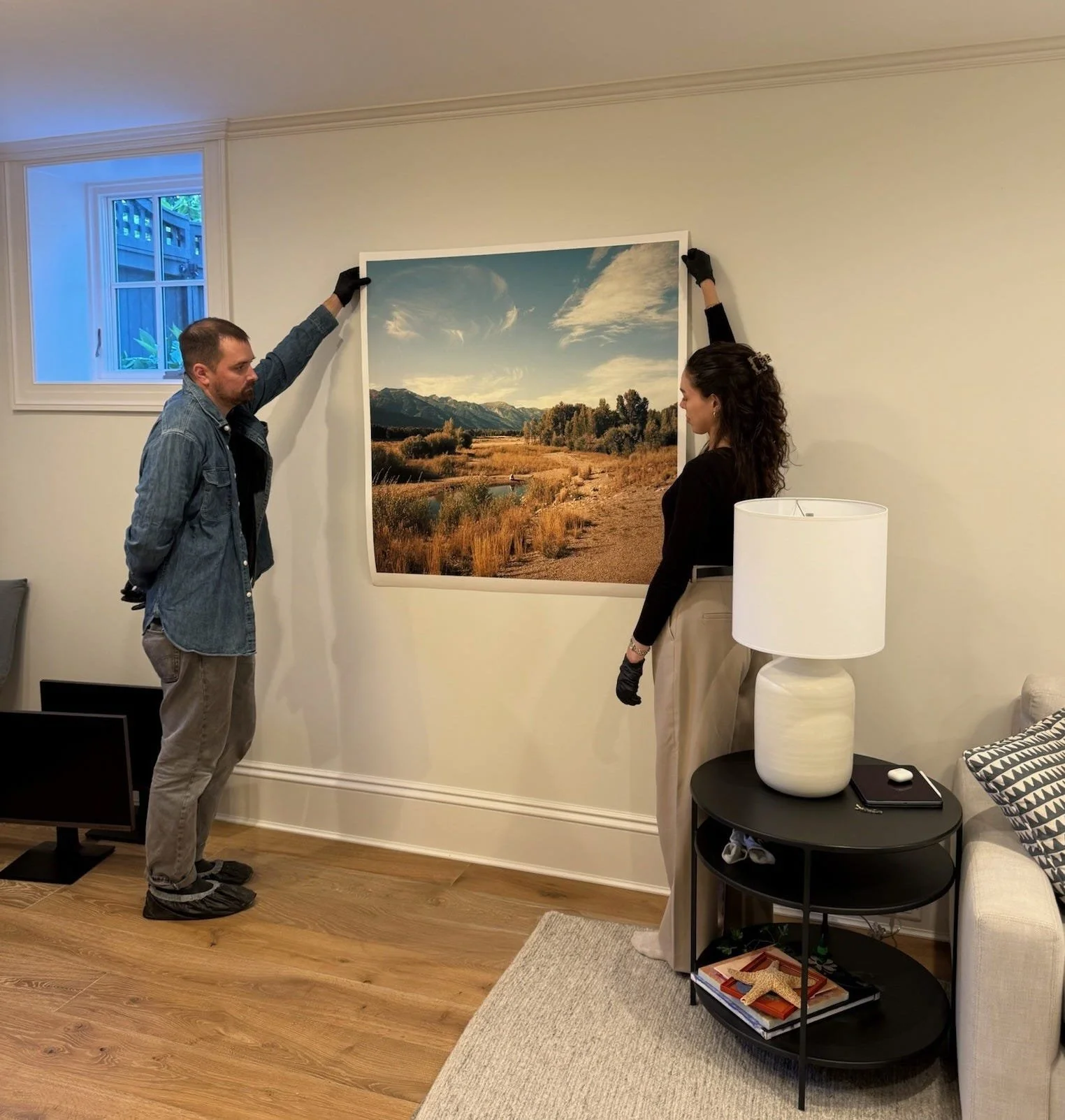
On installation day our in-house art handler, Daniel, carefully maps out where each piece will go, double-checking hanging heights, and makes small adjustments on-site so everything feels balanced and intentional. At the same time, we keep a close eye on safety, making sure every artwork is handled with the utmost care. It’s often the most rewarding part of our job, seeing a home transformed as the pieces come together. There’s something incredibly special about that moment when everything clicks, and a collection doesn’t just fill a space but brings it to life!
How do lighting and architecture influence art choices?
Lighting and architecture play a huge role in how art lives in a space, and they’re considerations we build into the process from the very beginning. We’ve worked on new constructions where, as the art collection takes shape, we collaborate with the architect to make sure the house itself is designed to showcase the work. On the other end of the spectrum, we’ve placed collections in historic homes with intricate millwork, fireplaces, or unconventional layouts, where we need to be sensitive to those details and find artwork that complements rather than competes.
Light, in particular, can completely transform a piece. We think about everything from the effects of natural light to the right protective glazing, and we sometimes work with lighting professionals to fine-tune how each work is lit. At the end of the day, the art and the space should be in conversation with each other, creating a home where the architecture, the light, and the collection all come together seamlessly.
What’s a common misconception about art advisors?
A common misconception is that art advisors simply tell clients what to buy. In reality, our role is much more collaborative and tailored. We don’t impose taste or push trends, we listen closely, understand our clients’ lifestyles, spaces, and goals, and then guide them toward artwork that feels both meaningful and lasting.
Another misconception is that advisors only work with top-tier collectors or at the highest price points. In reality, we work across a wide range of budgets and projects, from building first collections to adding important works to established ones. At the end of the day, our job isn’t about dictating, it’s about opening doors, educating, simplifying a complex world, and helping clients feel confident with the choices they make.
Written by Anne Cabot