
Family Office Partnership: Preserving Legacy Through Strategic Collection and Personal Property Management
By: Katie Morse, Associate Art Consultant
For high-net-worth families, the stewardship of art collections and personal property extends far beyond inventory management. These collections often represent decades of thoughtful acquisition and family history. As generations evolve and estate planning objectives shift, ensuring that these assets are properly documented, valued, organized, and distributed becomes an essential component of preserving a family's legacy.
Recently, our team managed a comprehensive artwork and personal effects inventory project that illustrates the value of a structured, thoughtful approach to collection management.
The engagement encompassed the inventory and assessment of more than 900 individual items located across five storage facilities and two private residences in Massachusetts and Florida. The collection included fine art, antiques, decorative objects, furnishings, and personal belongings accumulated over many years.
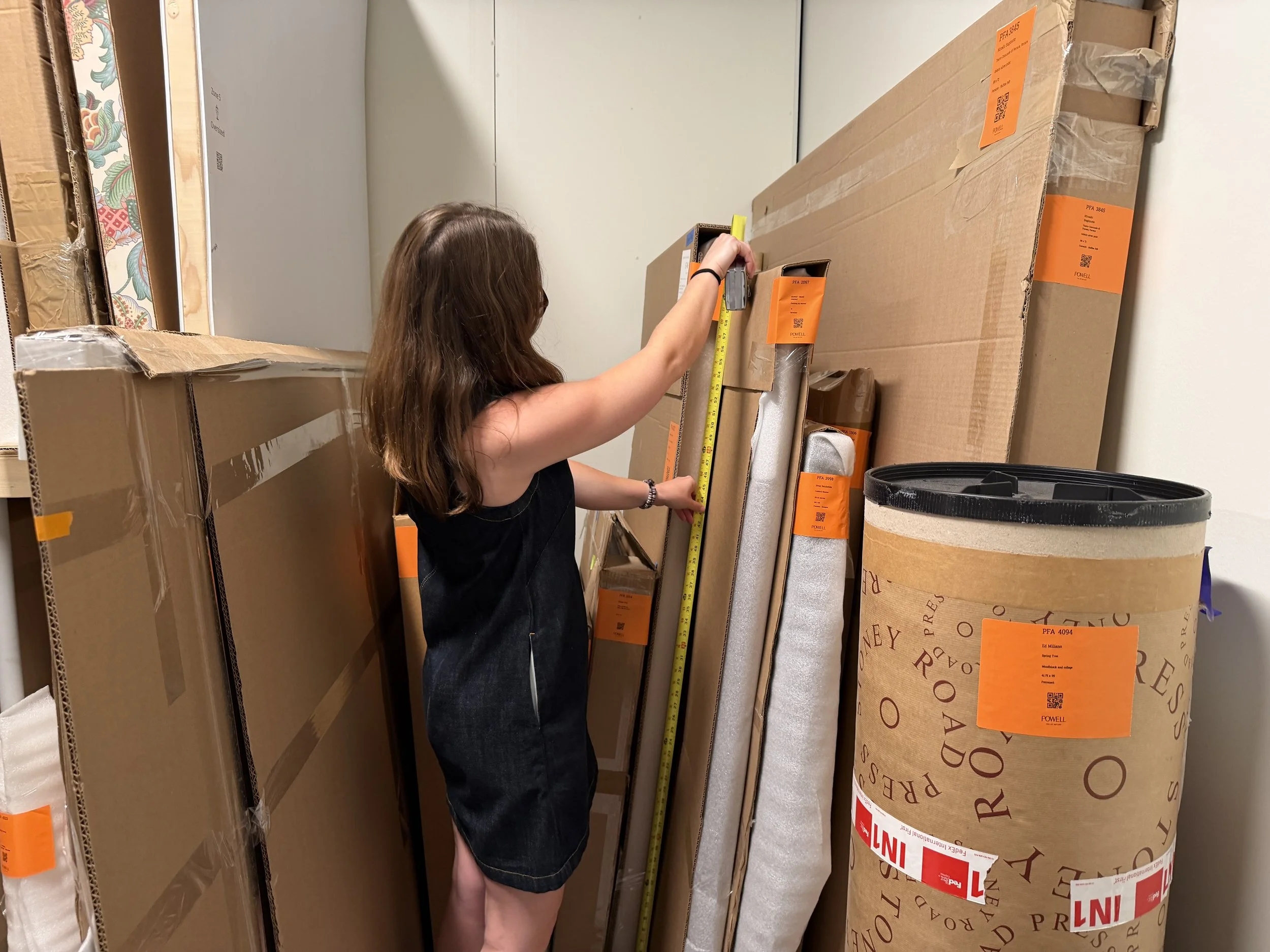
The author, Katie Morse, takes measurements of artwork as she prepares cataloguing for the inventory.
Our first objective was to create a complete and accurate inventory while helping the family evaluate each item's future role within the collection. Through detailed documentation and collaborative discussions, we identified 236 items that were appropriate candidates for donation. The remaining assets were carefully reviewed by family members and selected for retention, with plans established for future division among heirs.
A project of this scale requires far more than simply cataloging objects. Once disposition decisions were made, we reorganized the retained collection within the storage facilities, implementing clear labeling systems and digital organizational tools to ensure long-term accessibility. The result was a streamlined, searchable inventory that allows family members and advisors to quickly locate and reference specific items, reducing future administrative burdens and supporting ongoing collection management.
In addition to inventory and organization efforts, we coordinated the packing, transportation, and installation of selected artworks between residences. Working closely with a dedicated fine art handling team, we developed detailed movement plans, identified packing requirements based on each artwork's medium and condition, and oversaw logistics to ensure safe transit and installation. Our team received the artwork at the new residence in perfect condition and oversaw the placement selections and installation.
An equally important component of the project involved valuation. We identified and engaged a qualified fine art and antique appraiser whose expertise aligned with the scope and diversity of the collection. Working closely with the appraiser, we coordinated the preparation of both a Fair Market Value Appraisal Report for gift tax purposes and a Retail Replacement Value Appraisal Report for insurance coverage. These reports provide critical documentation for estate planning, tax compliance, and risk management strategies.
Managing a project that involves multiple stakeholders, extensive inventories, and specialized professionals requires proactive oversight. Throughout the engagement, we maintained regular communication with the appraiser to ensure timelines remained on track and deliverables were completed efficiently. Simultaneously, we provided consistent progress updates to the family office, ensuring advisors remained informed and equipped to support broader estate and financial planning objectives.
Perhaps most importantly, projects involving personal collections often carry significant emotional considerations. Family members may have differing perspectives regarding sentimental items, inheritance expectations, and collection priorities. By facilitating thoughtful conversations, establishing clear processes, and maintaining transparent communication, we helped manage expectations and guide decision-making throughout the engagement.
Managing a family's collection is about much more than keeping track of assets. It's about preserving the stories, memories, and legacy attached to those objects while creating a clear path for future generations. With thoughtful planning, coordination, and communication, even the most complex collections can become well-organized resources that support both the family's personal wishes and long-term estate planning goals.
Key steps for managing a collection:
Maintain an active inventory with complete cataloging of the artwork or objects in the collection.
Include images, dimensions, condition, location and any acquisition notes (provenance, invoices, purchase price)
Review appraisals to ensure that artworks are correctly insured and valuations are up to date.
Assess condition and framing, make sure that artwork is appropriately framed and that if there are condition issues, a conservator prepares a condition report.
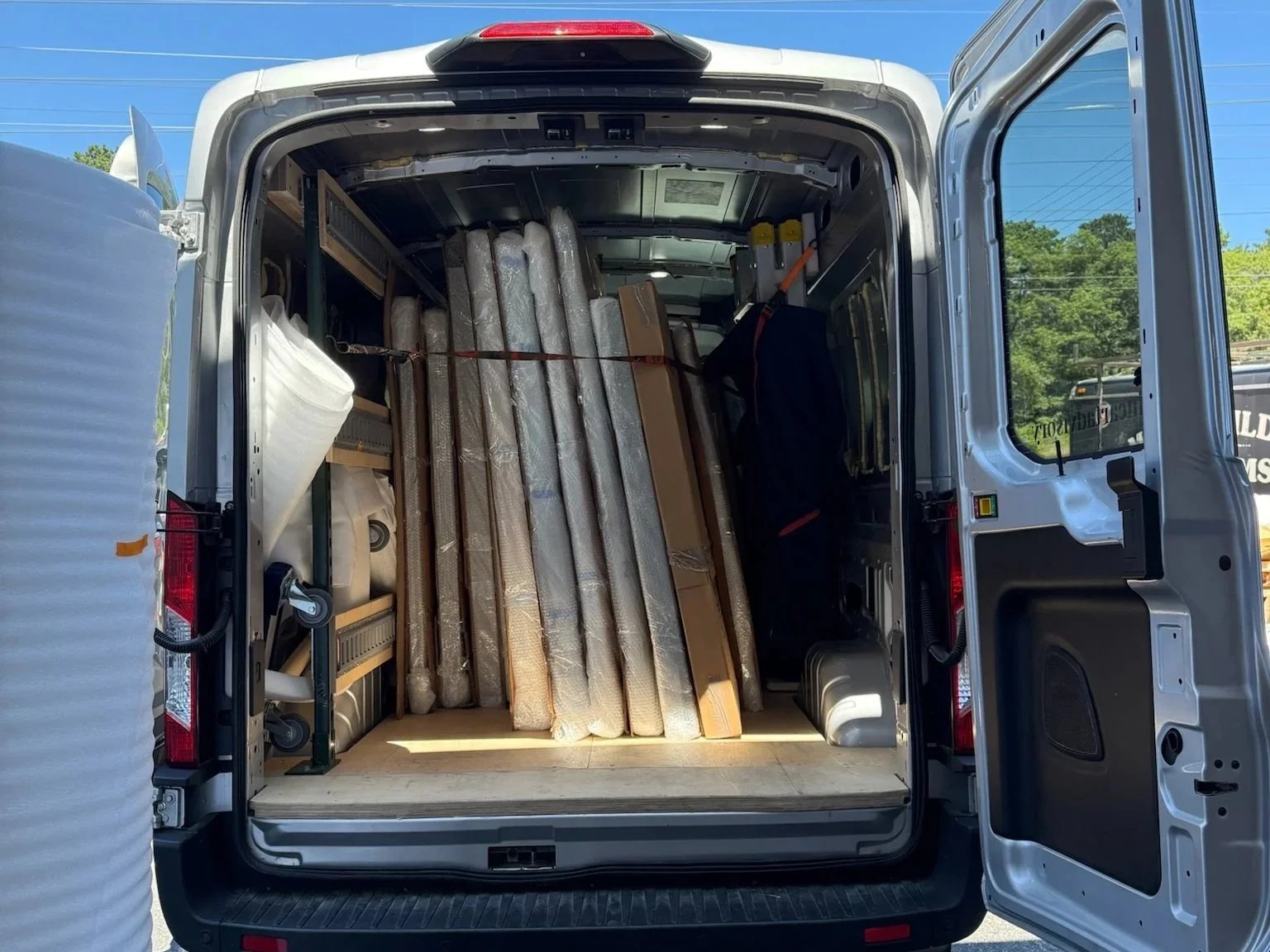
Artwork packed for transit.
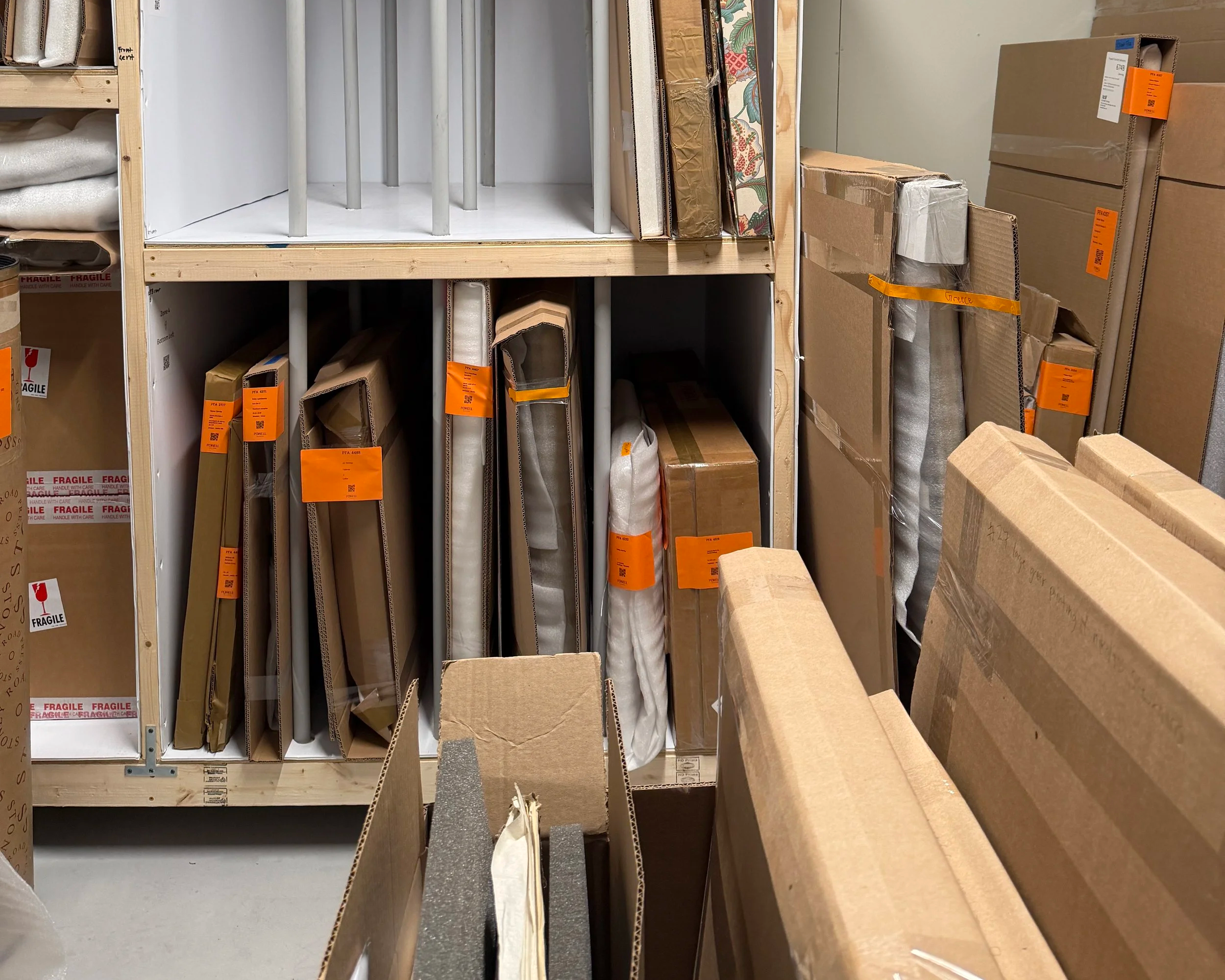
Artwork in storage.