
Building a Collection with Meaning and Vision
A meaningful art collection is not built all at once. It develops over time, shaped by curiosity, instinct, education, and the places where the work will ultimately live. For some collectors, the process begins with a single piece that feels impossible to forget. For others, it starts with a room, a new home, a renovation, or the desire to bring more depth and personality into a space. However it begins, the most successful collections are guided by both emotion and intention.
At Powell Fine Art Advisory, we believe collecting should feel personal, informed, and deeply connected to the collector’s life. A work of art should not only fill a wall or complete a room; it should hold meaning. It should reflect a point of view, invite conversation, and continue to reveal itself over time.
Start With What Resonates
The first step in building a collection is not necessarily deciding on a period, medium, or market category. It is learning to recognize what resonates. This might be a particular palette, a material quality, a subject matter, an artist’s story, or even the feeling a work creates within a space.
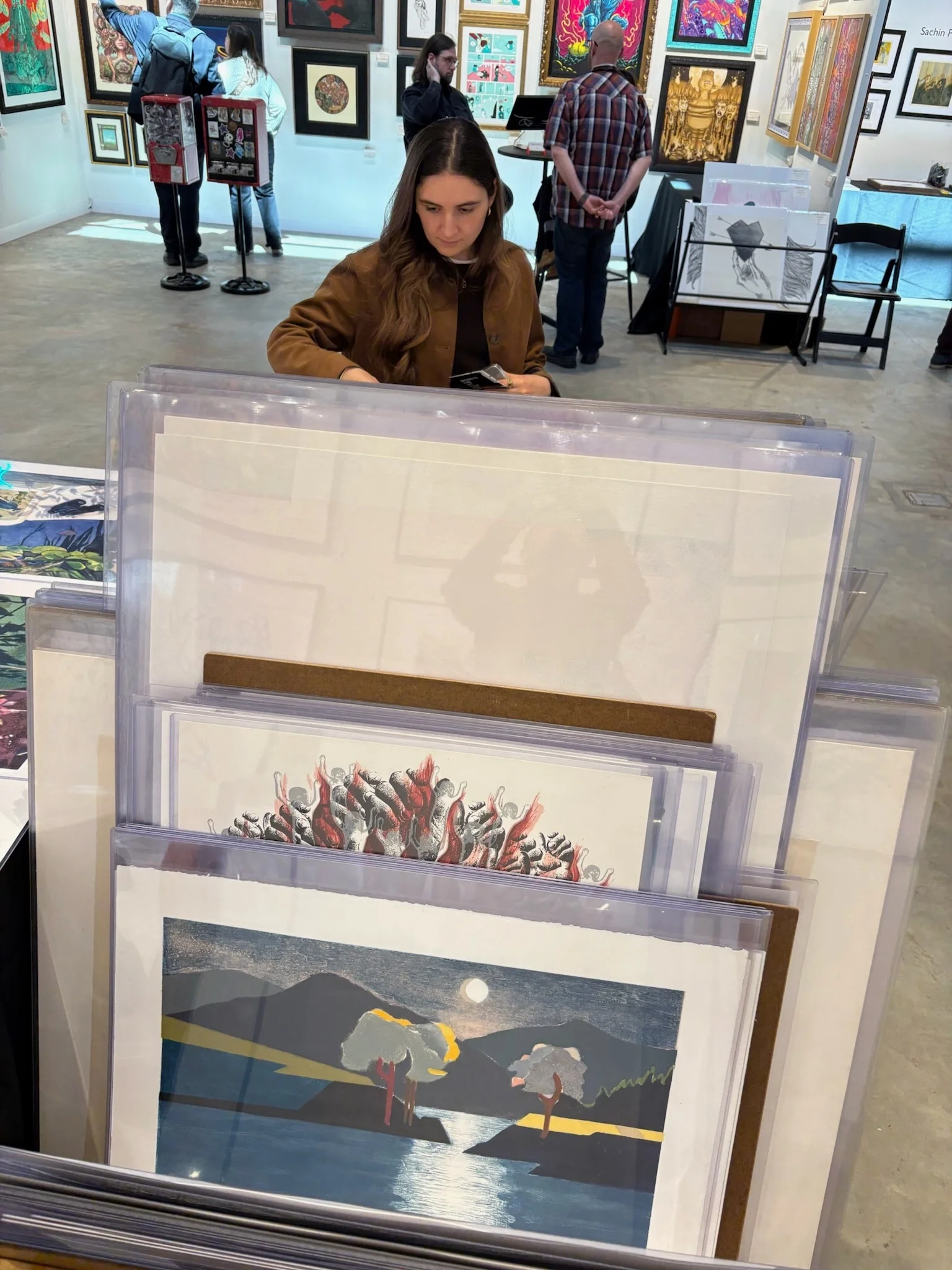
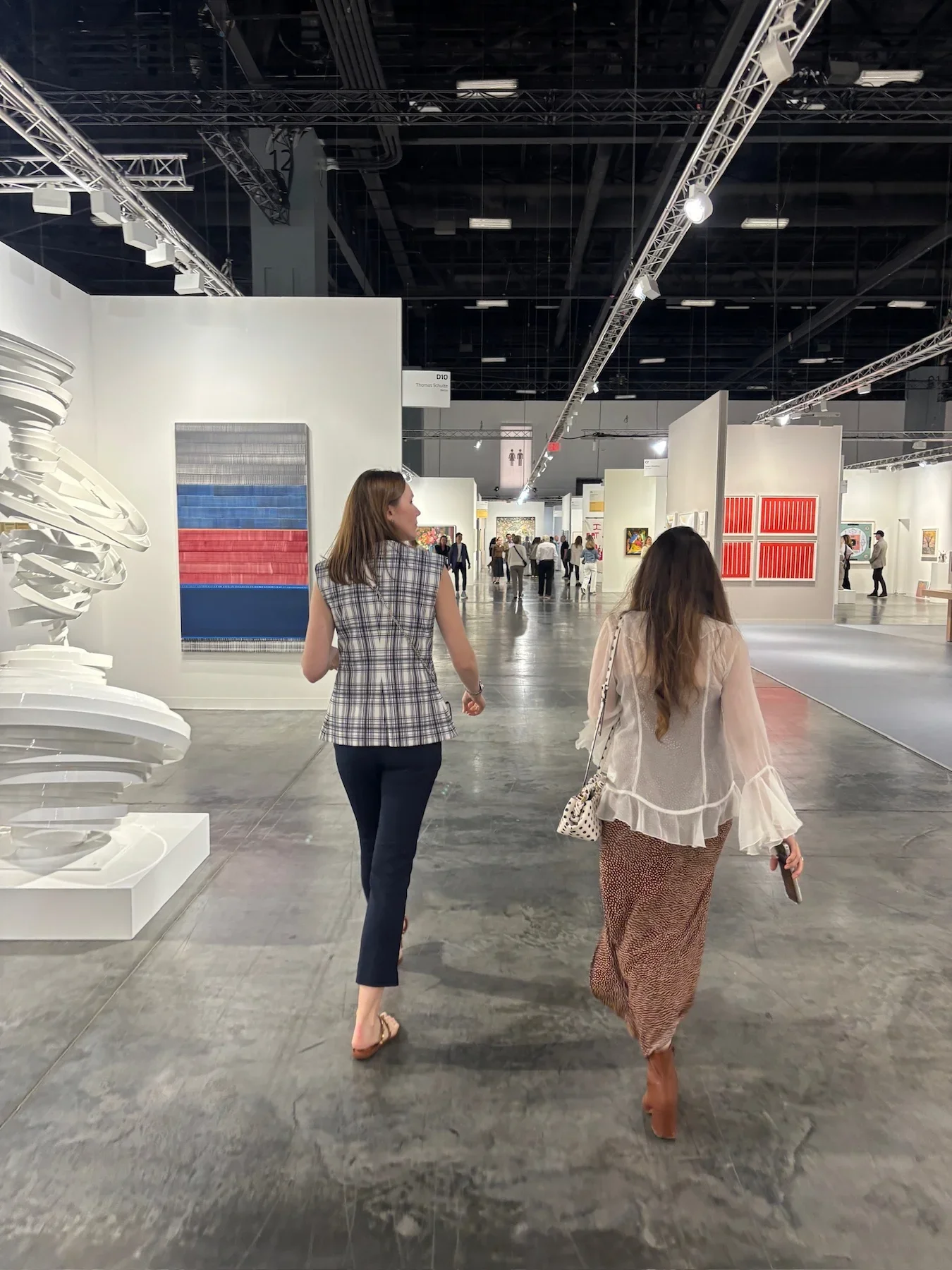
We often encourage clients to begin by looking broadly. Visit galleries, walk through museums, attend art fairs, explore artist studios, and pay attention to what stays with you. Over time, patterns begin to emerge. You may find yourself drawn to works on paper, textile-based practices, contemporary abstraction, photography, sculpture, or artists whose work engages with nature, architecture, identity, or place.
Those instincts matter. A collection with vision does not need to be predictable, but it should feel considered. The strongest collections often have an internal rhythm: works may vary in scale, medium, and period, but they share a sense of purpose.
Balance Personal Taste With Informed Guidance
Collecting is emotional, but it also benefits from research, context, and strategy. Understanding an artist’s practice, exhibition history, market position, condition, provenance, and placement within a broader art historical conversation can help transform a beautiful object into a thoughtful acquisition.
This is where an advisor can be especially helpful. The art world can feel opaque, with different rules and expectations depending on whether you are buying from a gallery, at auction, through a private sale, or directly from an artist. Our role is to help clients navigate that landscape with clarity. We help identify strong opportunities, ask the right questions, evaluate quality and condition, and ensure that each acquisition aligns with the client’s aesthetic goals, budget, and long-term vision.
A meaningful collection is rarely about buying what is most recognizable or most immediately available. It is about understanding why a work matters to you, why it matters within an artist’s practice, and how it fits into the larger story you are building.

Andy Dixon, This is Not a Ship at Sea, acrylic and pastel on canvas, 2024
Consider the Space, But Do Not Let the Space Limit the Collection
Art and interiors are closely connected, but they are not the same thing. A well-placed artwork can completely transform a room, creating architecture, warmth, tension, or quiet. At the same time, the best collections are not simply decorative. They bring substance into a home.
When sourcing artwork for private residences, we think carefully about scale, light, sightlines, materials, and how a client actually lives in the space. A monumental work may anchor a living room, while a smaller, more intimate piece may create a moment of discovery in a hallway, library, or bedroom. Sculpture can shift the energy of an entryway or garden. Works on paper can bring delicacy and depth when thoughtfully framed and installed.
The goal is not to match the sofa. The goal is to create a dialogue between the artwork, the architecture, and the collector.
Build Relationships, Not Just Inventory
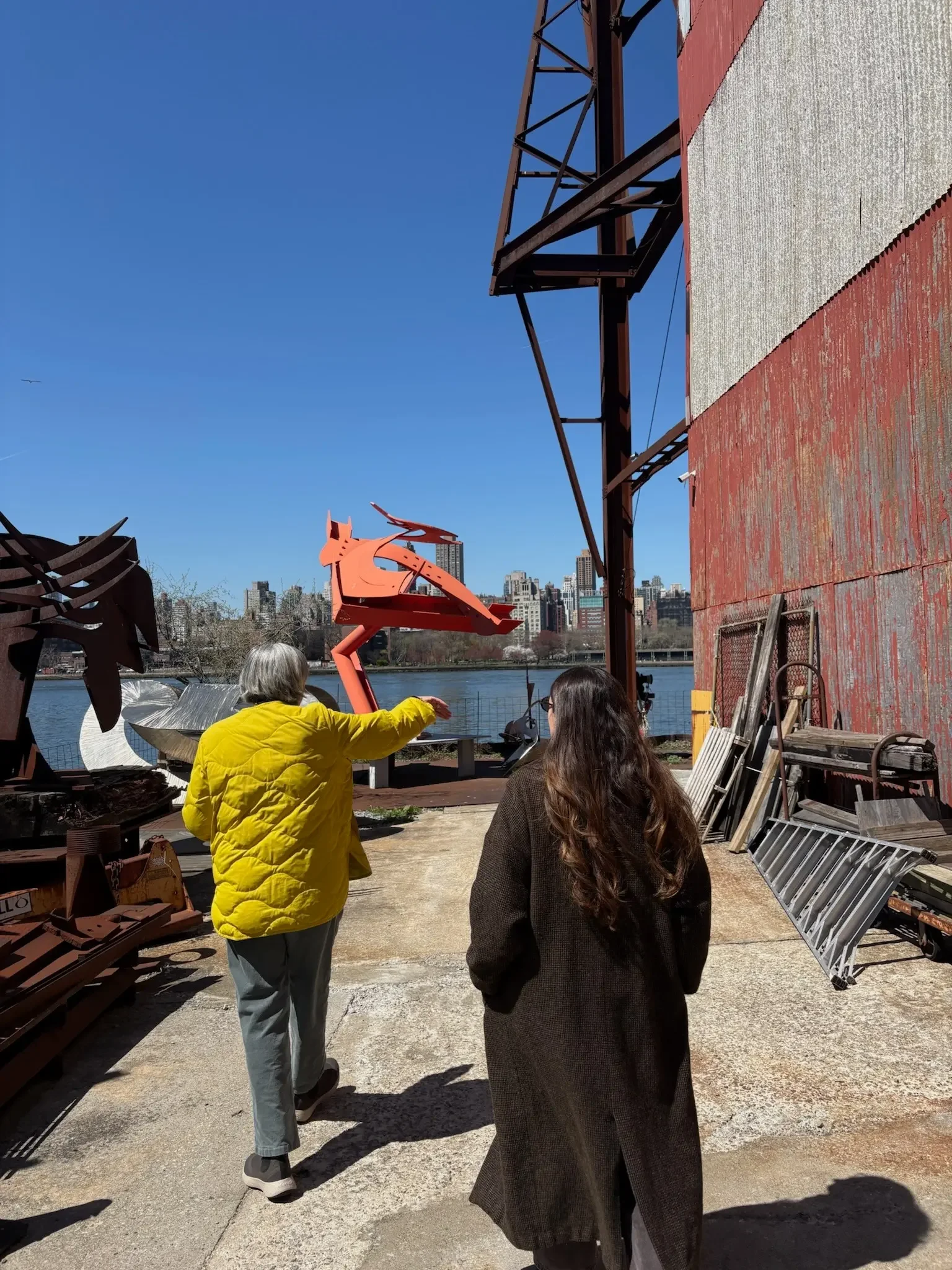
One of the most rewarding parts of collecting is the access it creates: to artists, galleries, studios, curators, and ideas. A strong collection is often built through relationships. Visiting an artist’s studio, seeing works in progress, or hearing directly from an artist can change the way a collector understands a piece.
These experiences add dimension. They make the acquisition feel less transactional and more connected. They also help collectors make better decisions, because they can see how an artwork fits within a larger body of work and why an artist’s practice may continue to evolve in meaningful ways.
For many clients, these moments become part of the story of the collection itself.
Think Beyond the First Purchase
Once a work enters a collection, the responsibility of care begins. Framing, installation, lighting, insurance, cataloging, storage, conservation, and condition reporting all play a role in preserving both the artwork and its value.
This practical side of collecting is often overlooked, but it is essential. A work on paper may require conservation-grade framing and protection from direct sunlight. A large-scale painting may need specialized handling and secure installation. A collection spread across multiple residences may benefit from a detailed inventory, photography, and cloud-based collection management.
Stewardship is part of vision. Building a collection means thinking not only about what to acquire, but how to care for it over time.
Allow the Collection to Evolve
A collection should not feel frozen. As collectors learn, travel, move, renovate, visit fairs, meet artists, and experience new exhibitions, their interests naturally evolve. Sometimes that means acquiring in a new direction. Sometimes it means reframing or relocating existing works. Sometimes it means deaccessioning pieces that no longer fit the collection’s focus.
This evolution is healthy. A collection with meaning is one that continues to reflect the collector’s eye, values, and life. The most compelling collections are not static displays; they are living narratives.
Collecting With Confidence
Whether you are acquiring your first significant work or refining an established collection, the process should feel exciting rather than intimidating. With the right guidance, collecting becomes less about navigating an overwhelming market and more about making thoughtful decisions with confidence.
At Powell Fine Art Advisory, we help clients build collections that are personal, strategic, and enduring. From acquisition and market research to framing, installation, logistics, and long-term collection management, our work is rooted in the belief that art should be lived with, cared for, and deeply felt.
A meaningful collection is not defined by size or price. It is defined by vision. It tells a story about what you notice, what you value, and how you choose to live with beauty, ideas, and history every day.