
How an Art Commission Comes Together
A commissioned artwork is more than a request for a particular size, color, or composition. At its best, it is a collaboration between artist, client, designer, gallery and art advisor, one that brings together creative vision, spatial considerations, and the character of a particular setting.
For an art advisory firm, the process extends beyond identifying an artist. We help translate initial inspiration into a tangible piece, facilitate communication and oversee the details that bring the finished work from concept to installation.
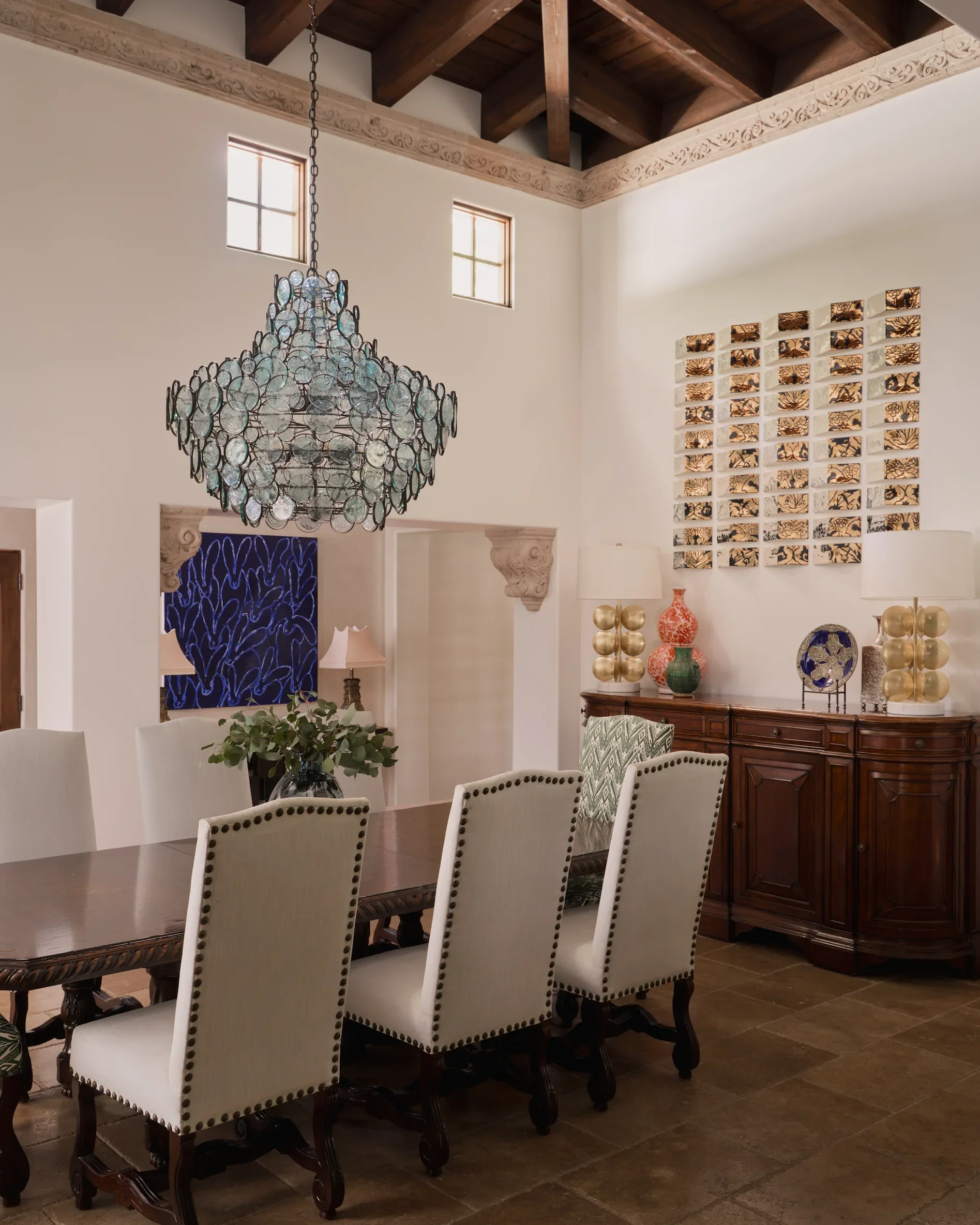
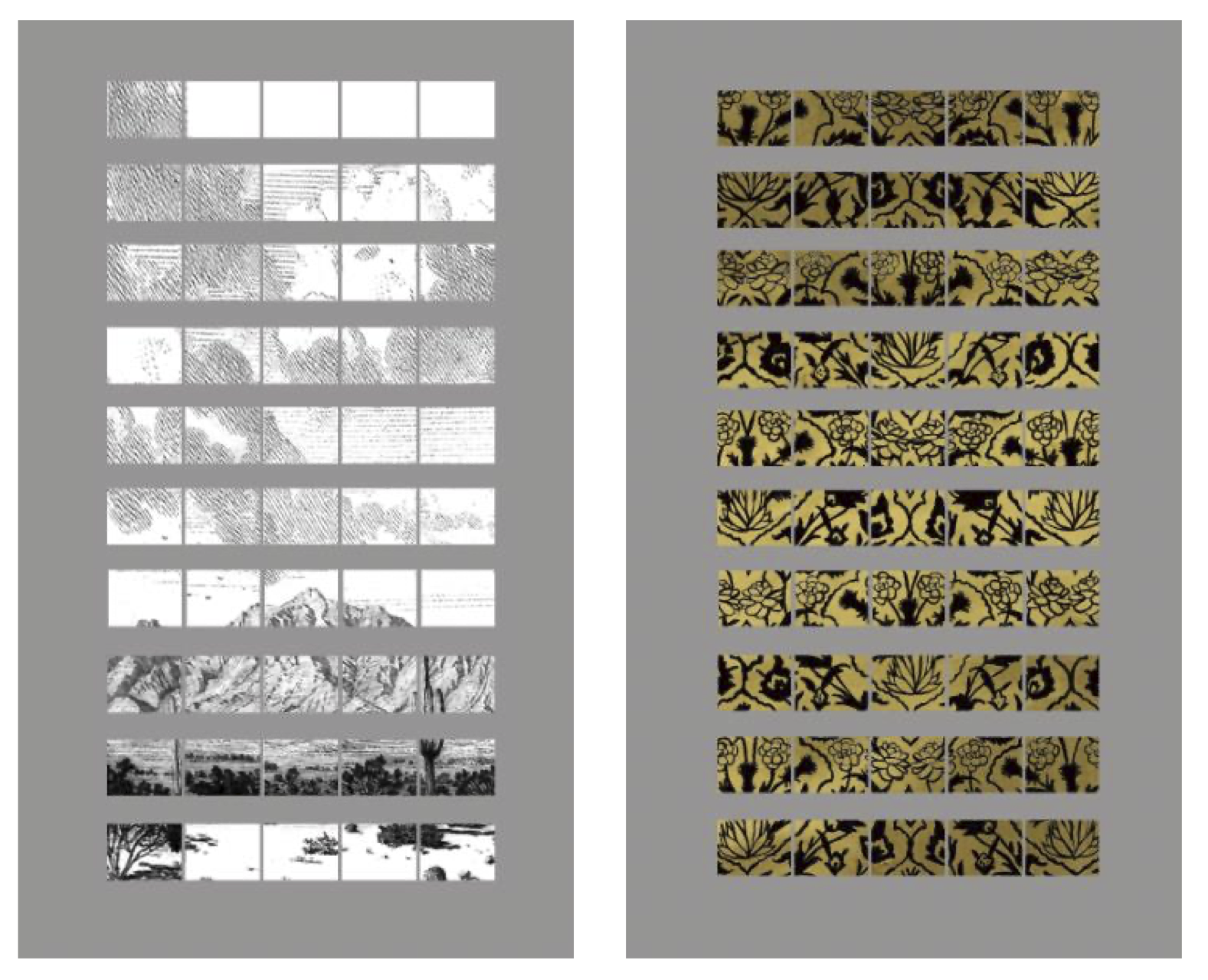
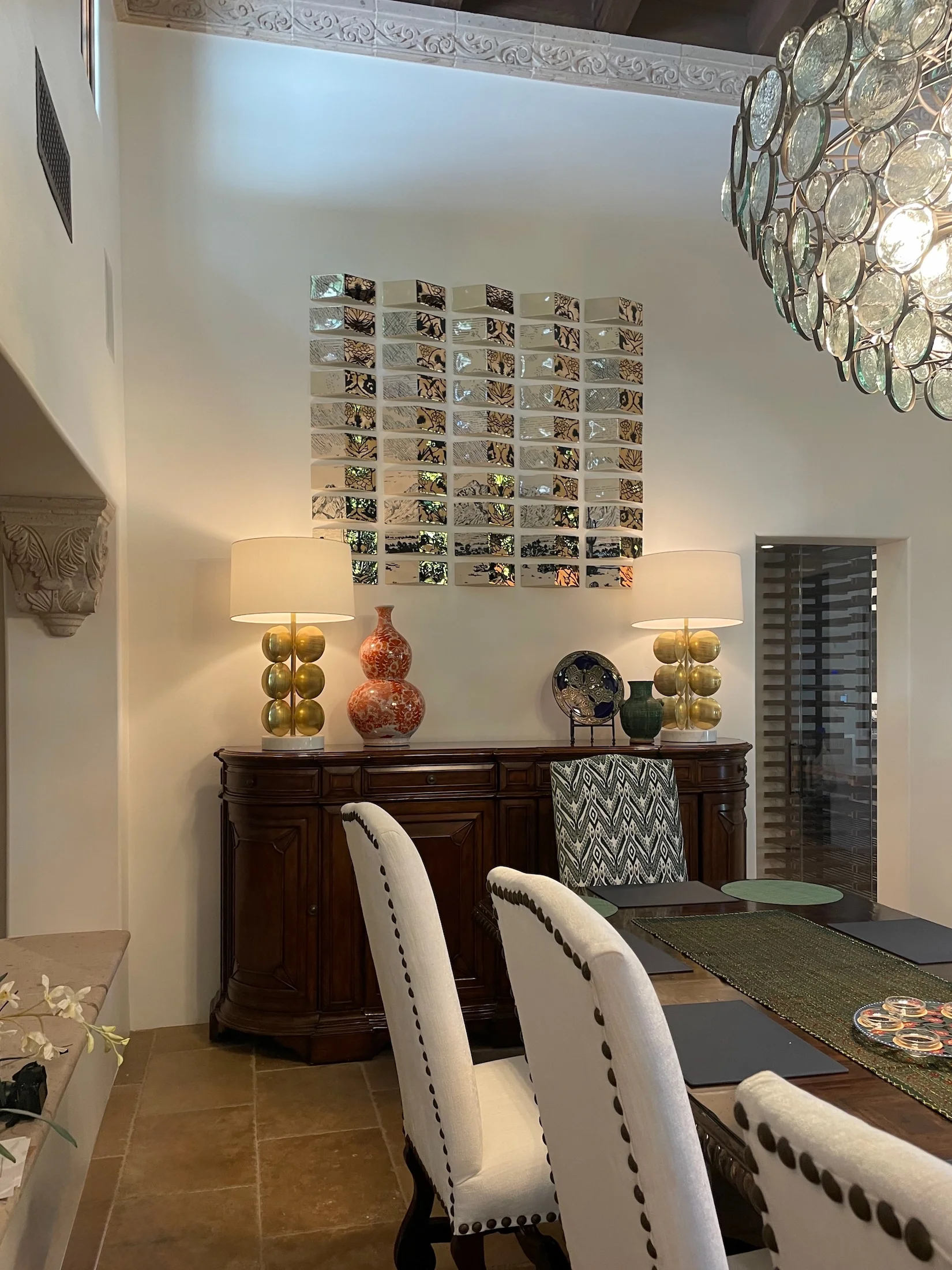
Molly Hatch, Camelback, USA (Commission), 2025
Starting with the Client’s Vision
A commission may begin with a very specific request; a certain size, palette, or orientation or with an existing artwork that a client loves but cannot accommodate.
For one South Shore project, the starting point was artist Nicole Chesney. We had presented the clients with a selection of her acid-etched and mirrored glass works through digital presentations, but none felt quite right for the space. Having worked closely with Chesney and her gallery, Gallery NAGA, on a number of projects, we knew she was open to commissions and understood the information she would need to translate the clients’ vision into a new work.
We brought a selection of Chesney’s available pieces to the clients’ home for an in-person viewing. Seeing the works together and in the context of the space allowed the clients to compare Chesney’s different techniques, brushwork, coloration, and glass tones, ultimately helping them identify the elements of her practice that resonated most.
From there, we discussed the ideal scale, composition, texture, and color for the space and communicated those preferences to the gallery, which worked directly with the artist.
Commissions have the potential to become a game of telephone, which makes clear communication essential. Working with trusted galleries and artists who have established commission practices and guidelines helps ensure that expectations are understood from the outset. Our role is to help keep that conversation clear and cohesive; from the initial concept through production and, ultimately, installation.
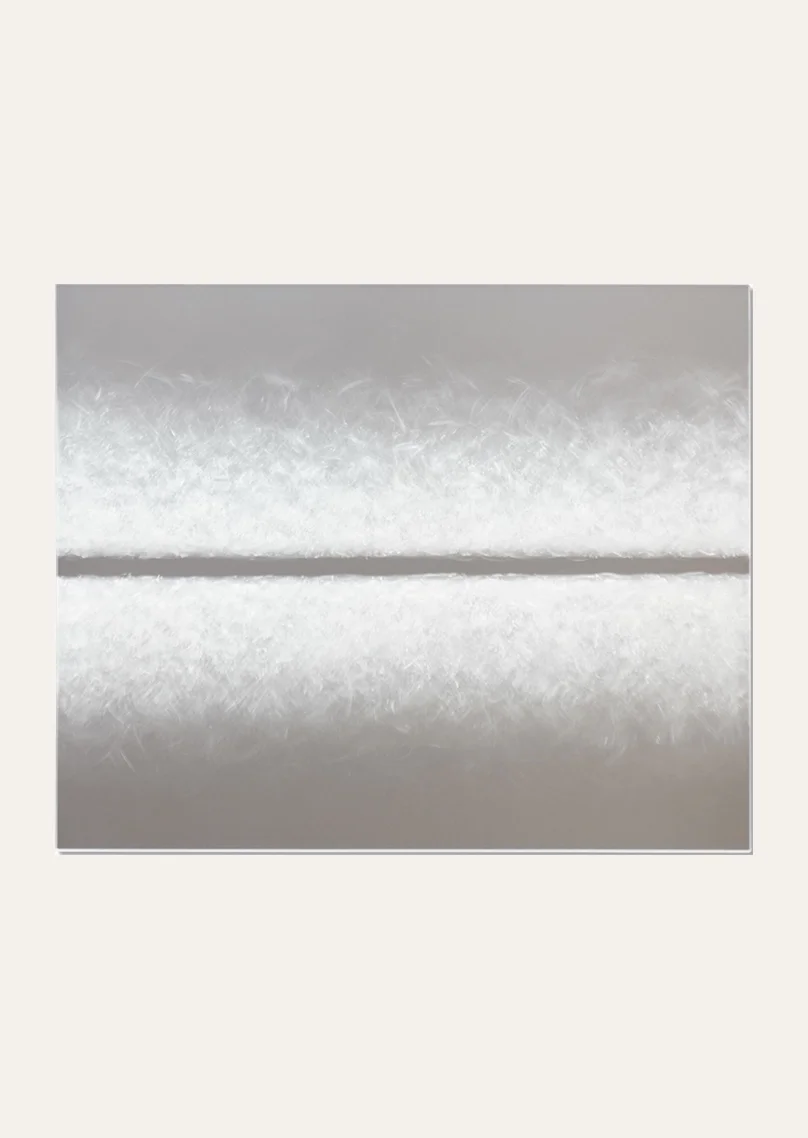
Nicole Chesney, Aphros 4, oil on acid-etched and mirrored glass, 20 x 24 in., 2018
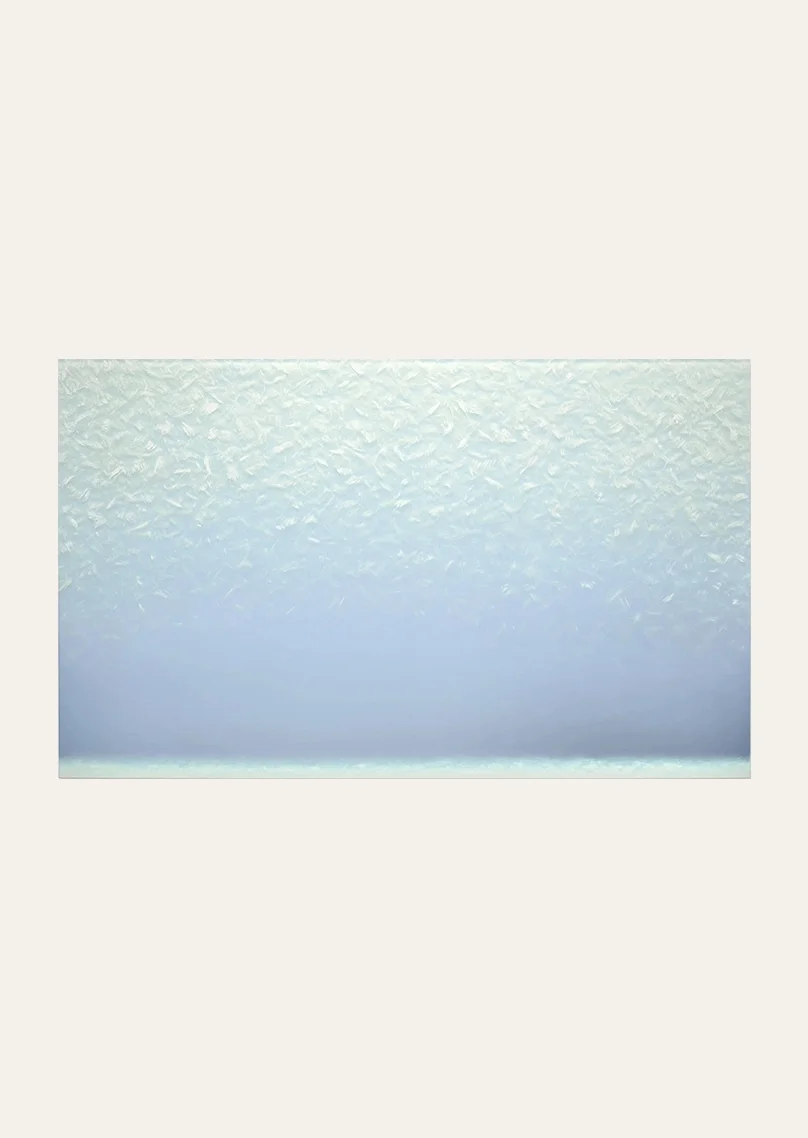
Nicole Chesney, Lucem, oil on acid-etched and mirrored glass, 45 x 72 in., 2023
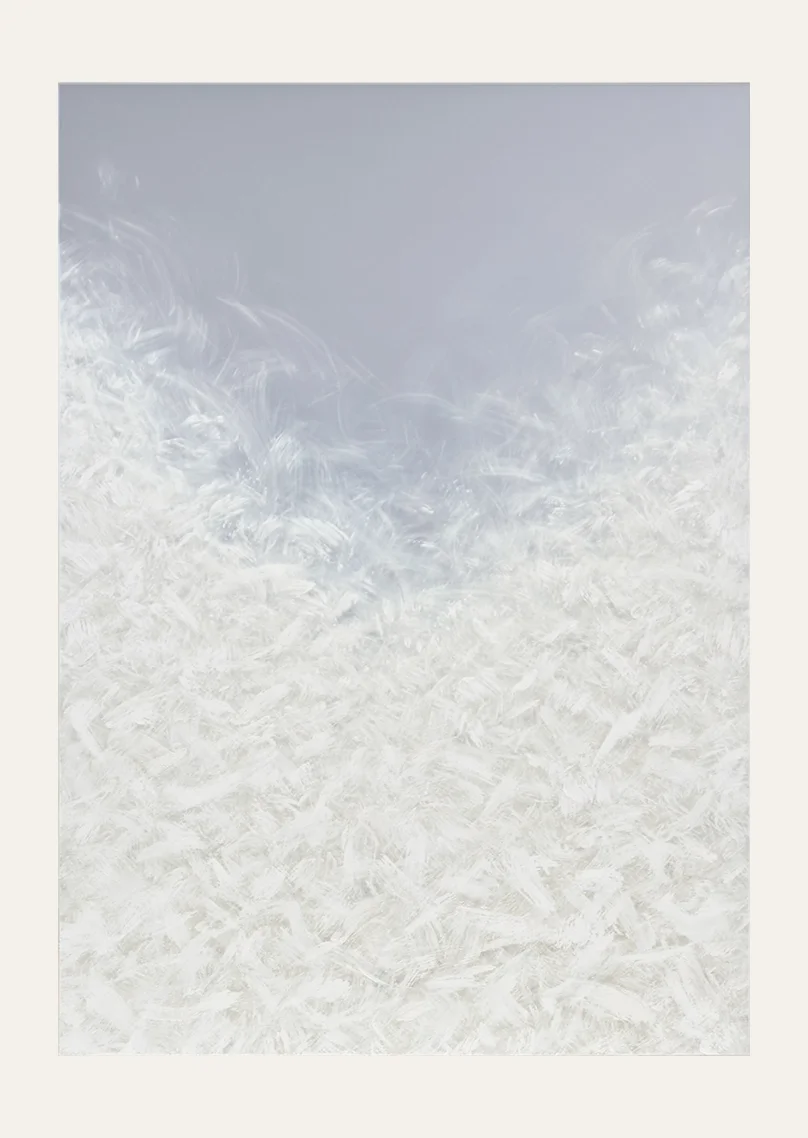
Nicole Chesney, Becoming, oil on acid-etched and mirrored glass, 30 x 20 in., 2020
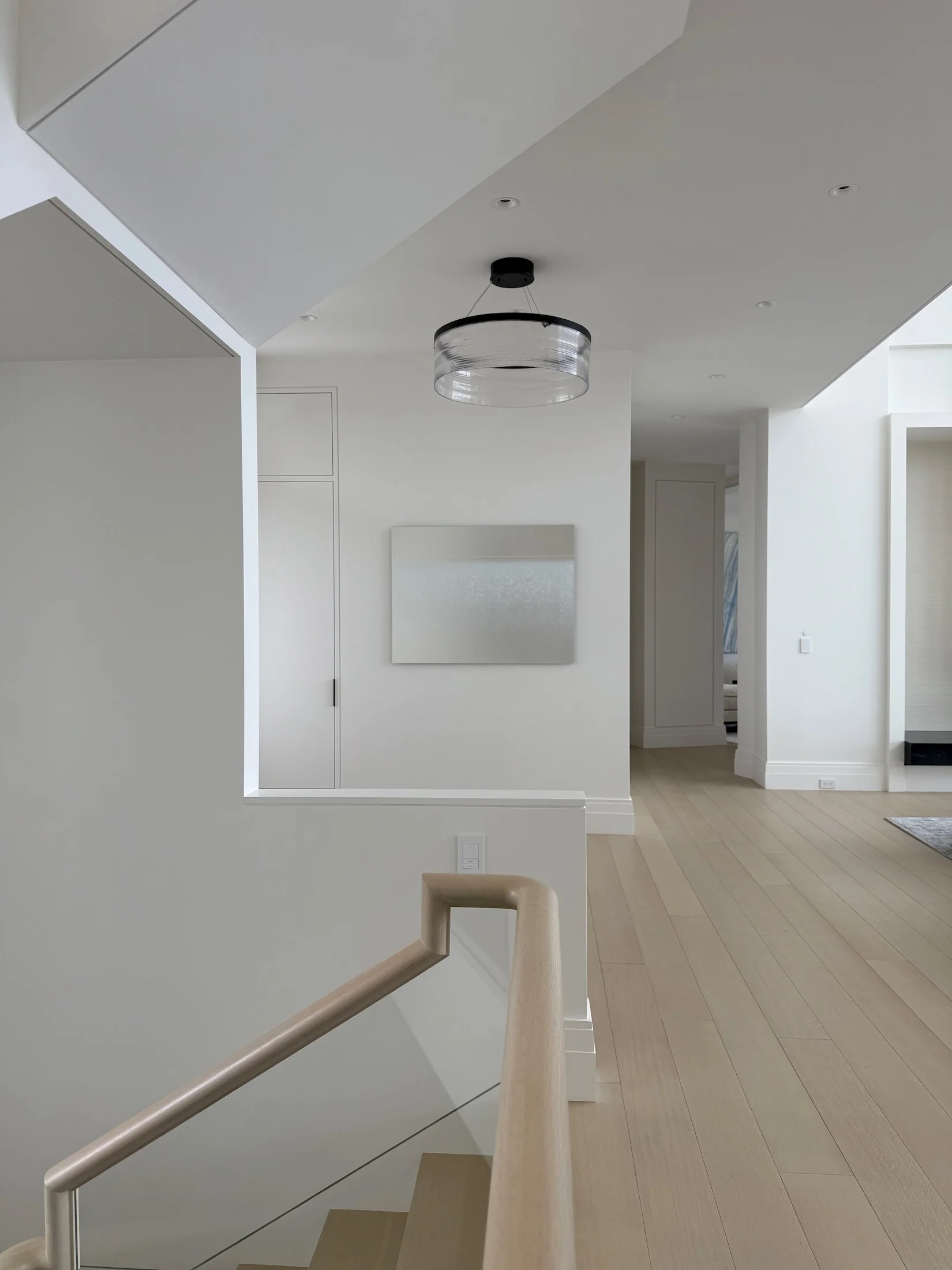
Nicole Chesney, Commission, oil on acid-etched and mirrored glass, 36 x 48 in., 2025
When an Existing Artwork Becomes the Starting Point
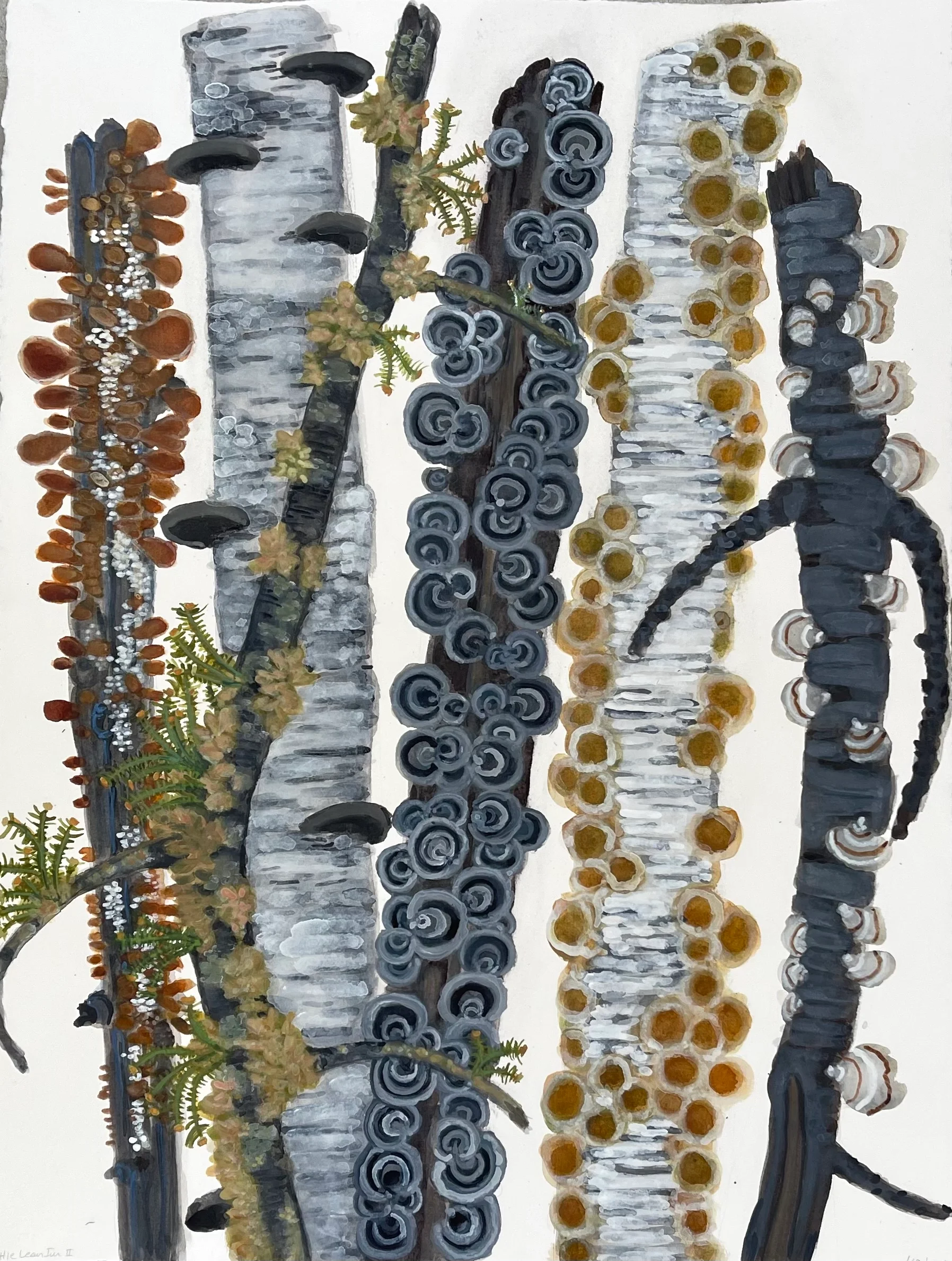
Another commission began with a client falling in love with Katie DeGroot’s Lean In II (watercolor on paper, 60 × 50 in., 2023). They were drawn to its composition and color but did not have room for the original, so the goal became to create a related work at an appropriate scale for their space (30 × 23 in.)
DeGroot’s process illustrates why a commission inspired by an existing work is not necessarily a replica. She works directly from objects found in nature, collecting branches and twigs in her studio that inform both the composition and color of each work. When she finishes a piece, she may return the branches and twigs to nature and collect new materials to inspire her.
As the commission develops, DeGroot shares studies with the client for review and approval. For the advisor, these studies are an important opportunity to facilitate communication between the artist and client—to clarify what the client is responding to in the original work, while also making sure requests remain consistent with the artist’s process.
Feedback and adjustments made between studies ultimately informed the final watercolor. Our role throughout the process was not to direct the artist’s creative decisions, but to act as a bridge. Helping the client articulate what they loved about the original, translating that feedback into a useful conversation with the artist, and ensuring that everyone remained aligned as the work evolved ensures that everyone is happy with the final product.
This kind of ongoing dialogue is one of the most valuable aspects of the advisory role in a commission. The advisor helps establish clear expectations at the outset, creates opportunities for meaningful feedback, and allows the artist’s process to remain intact while ensuring that the finished work feels thoughtful and personal to the client.
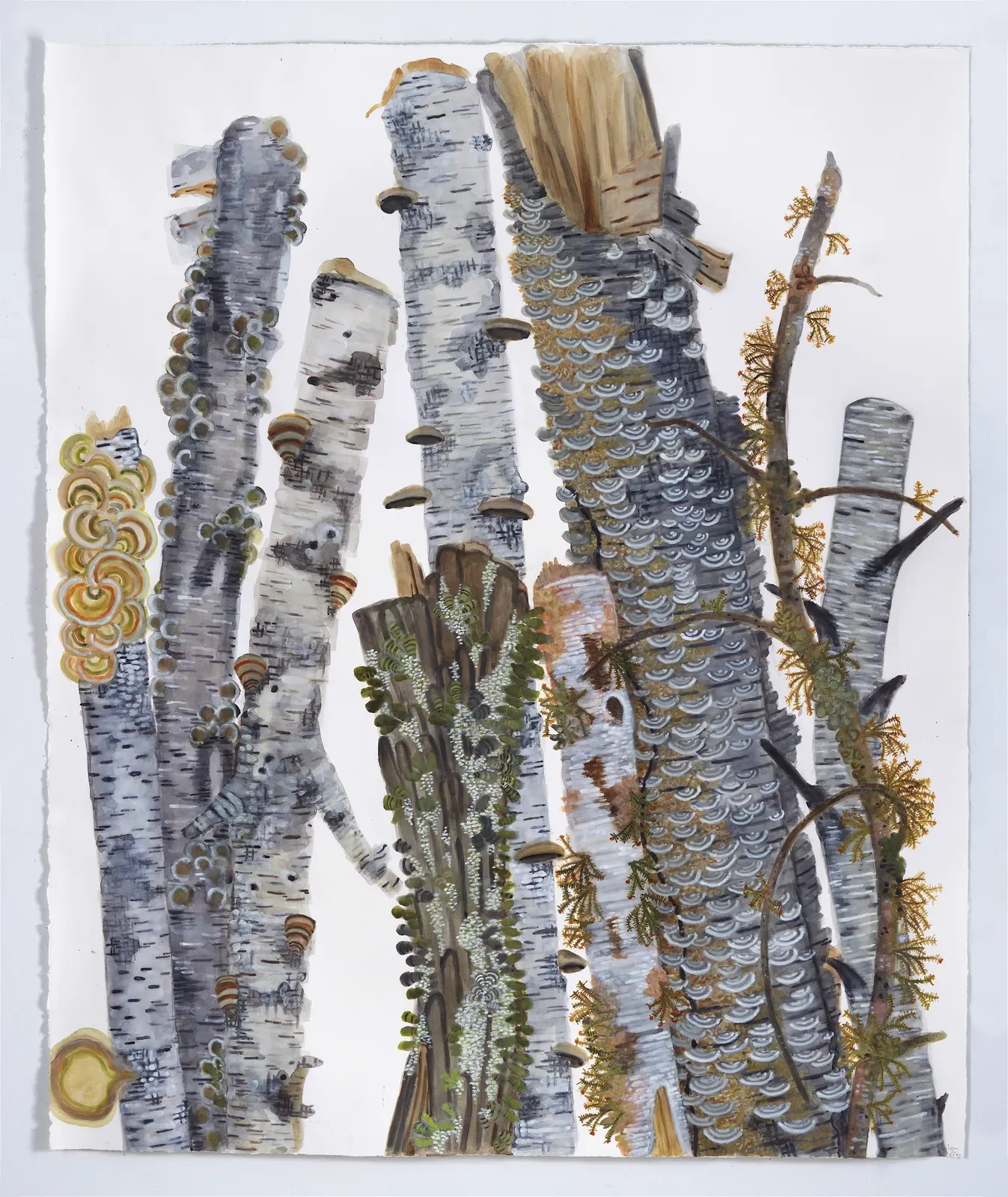
Original Lean In II
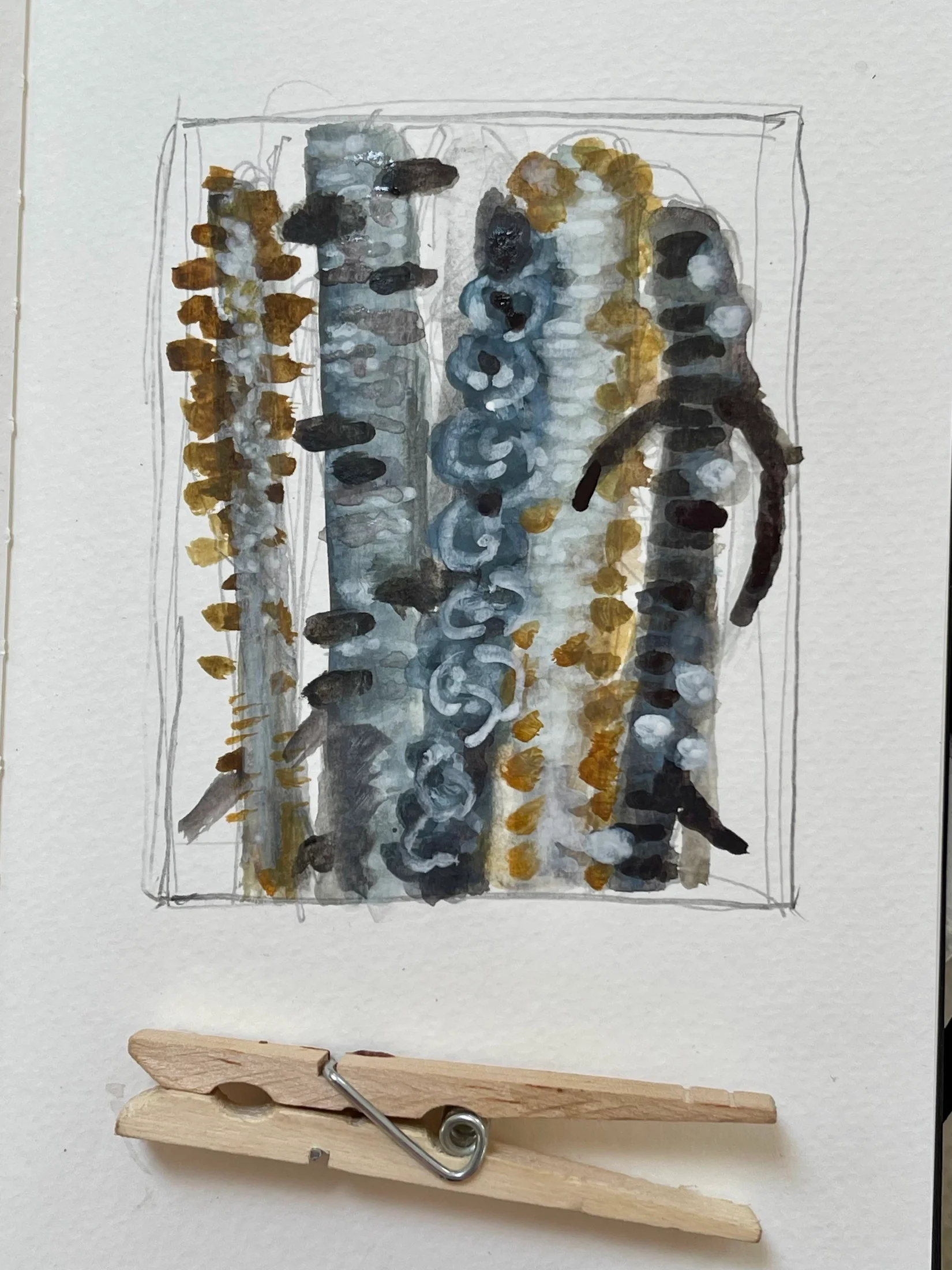
Study #1
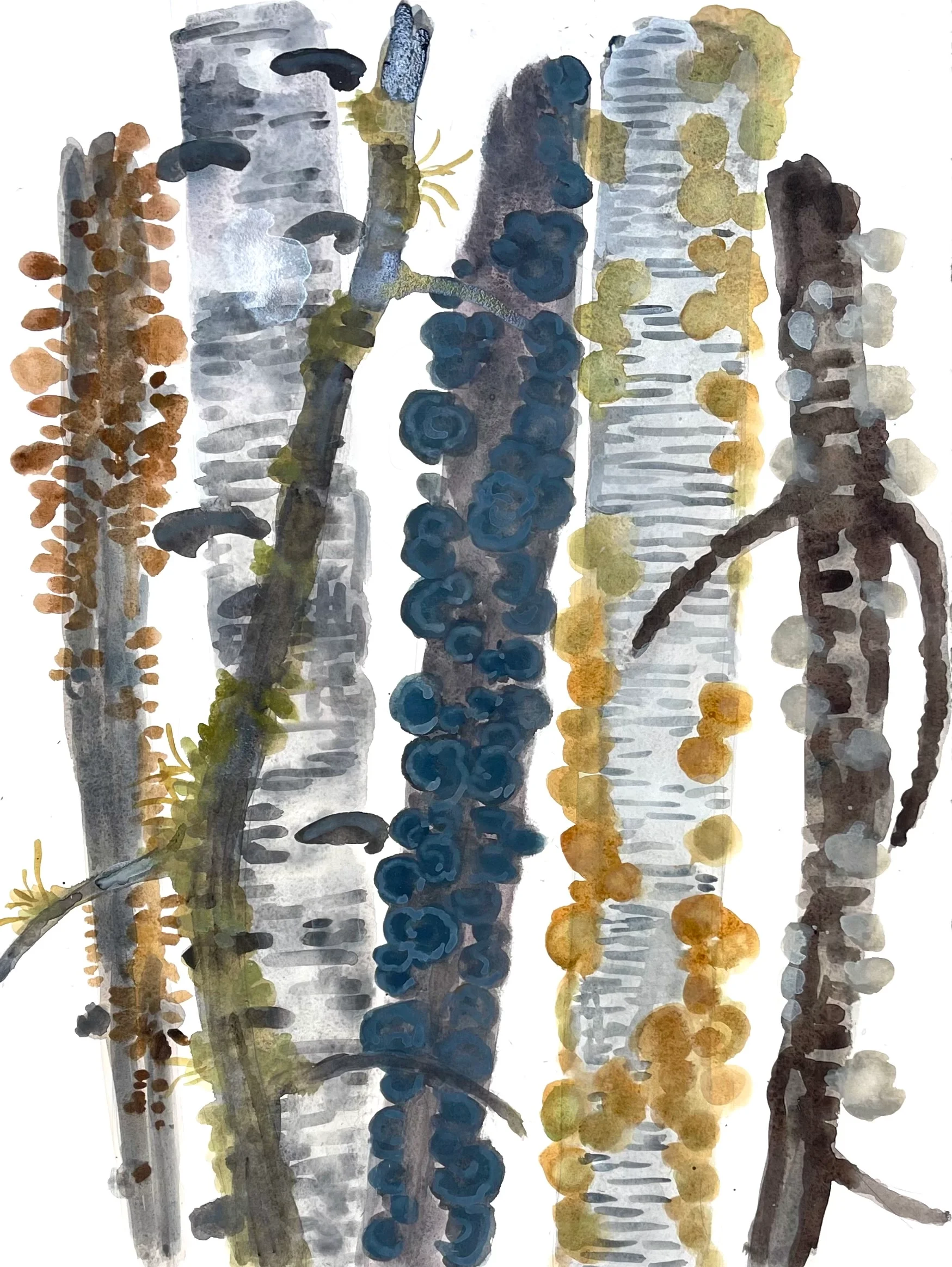
Study #2
Lean In II Commission
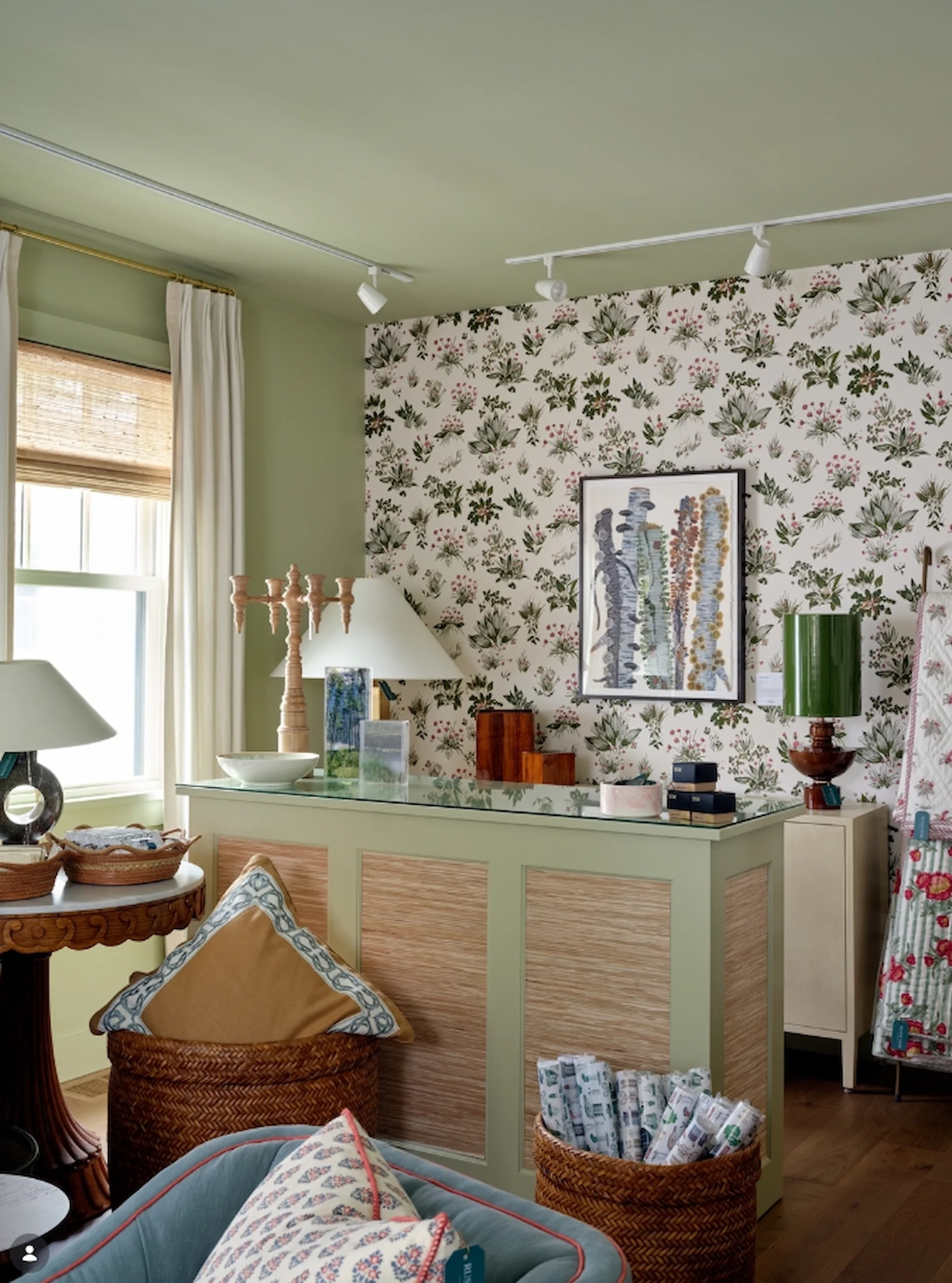
Lean In II Commission, installed at Rusticator in Seal Harbor, Maine
When the Site Becomes Part of the Artwork
Some commissions begin with an artist; others begin with a place.
For ceramic artist Molly Hatch, research and context are central to her practice. Her work often draws from the history of decorative arts, ceramics, textiles, fine art, and illustration, transforming familiar imagery into layered contemporary compositions. For a recent Arizona commission, that research began with the place itself.
Rather than creating a work that simply fit the space aesthetically, Hatch looked to Arizona’s visual and cultural history to develop an installation that would feel intrinsically connected to its surroundings. The resulting commission consists of fifty triangular, wall-mounted ceramic tiles arranged in a precise grid.
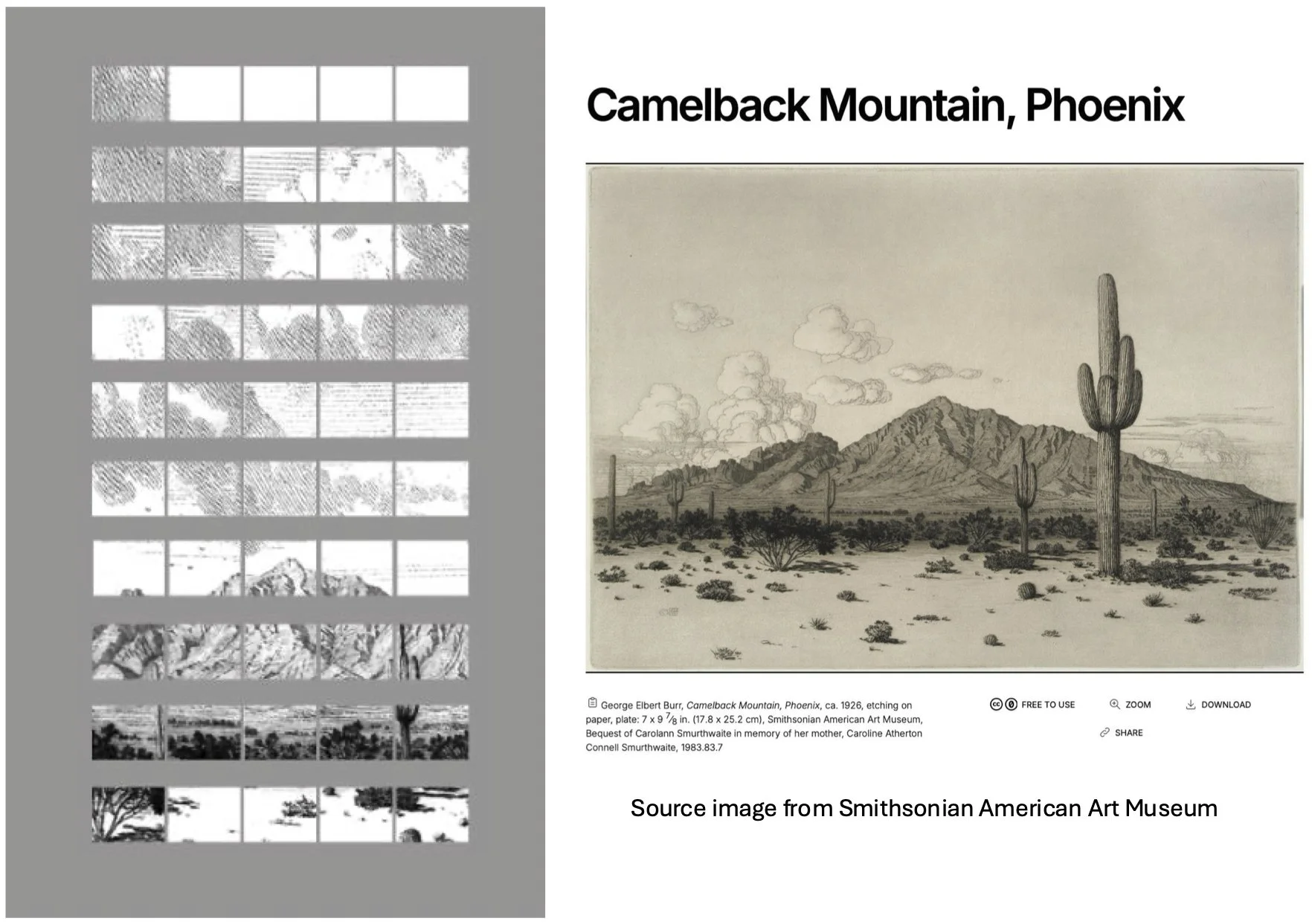
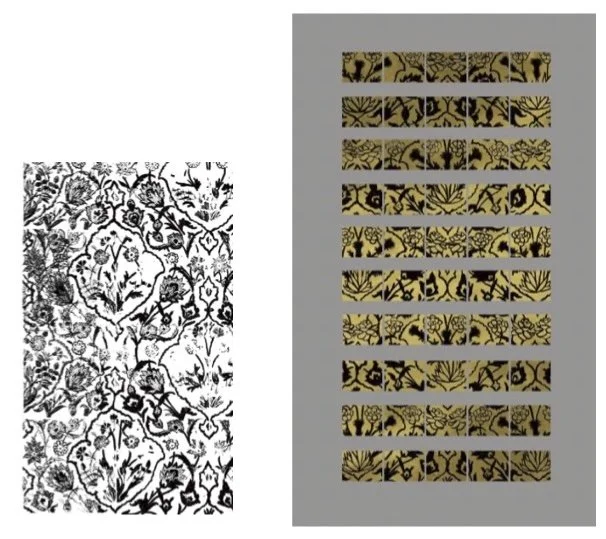
Each tile is divided visually into two distinct halves. One side references George Elbert Burr’s Camelback Mountain, Phoenix, an etching held in the collection of the Smithsonian American Art Museum. The other features a floral pattern inspired by Turkish Iznik tiles, reinterpreted with plants native to the Arizona landscape, including succulents, agave, and Arizona thistle.
The physical structure of the tiles adds another layer to the commission. Because each tile is triangular, the two painted surfaces are revealed differently depending on where the viewer is standing. Viewed from one direction, the landscape imagery comes forward; from another, the floral pattern becomes dominant. The installation therefore changes as the viewer moves through the space, creating a subtle lenticular effect.
The result is more than a large-scale ceramic installation designed for an Arizona residence. Its imagery, materials, and viewing experience are all informed by the place in which it exists. This is one of the most compelling possibilities of commissioning art: the opportunity to create something that responds to a specific environment and incorporates its history, geography, and visual identity into the work itself.
From Studio to Installation
The creative process is only part of a commission. Once the concept is approved, production and installation must be coordinated with the larger project.
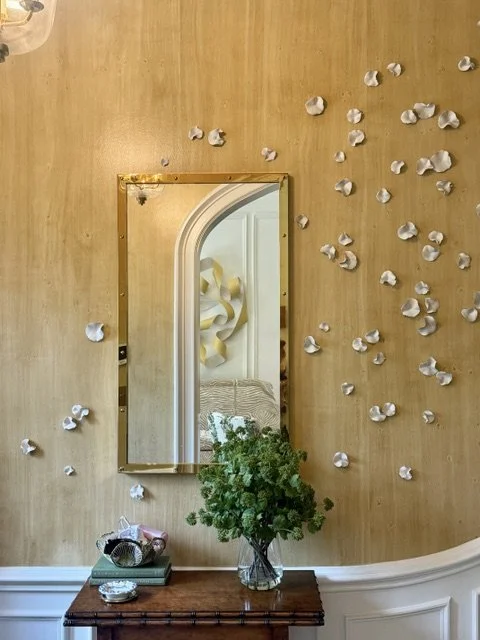
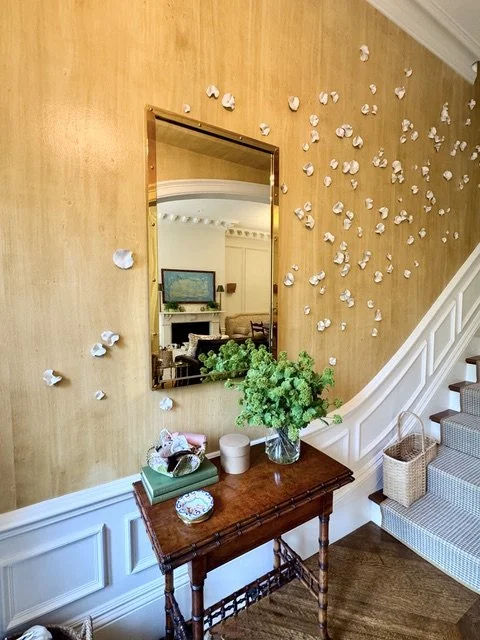
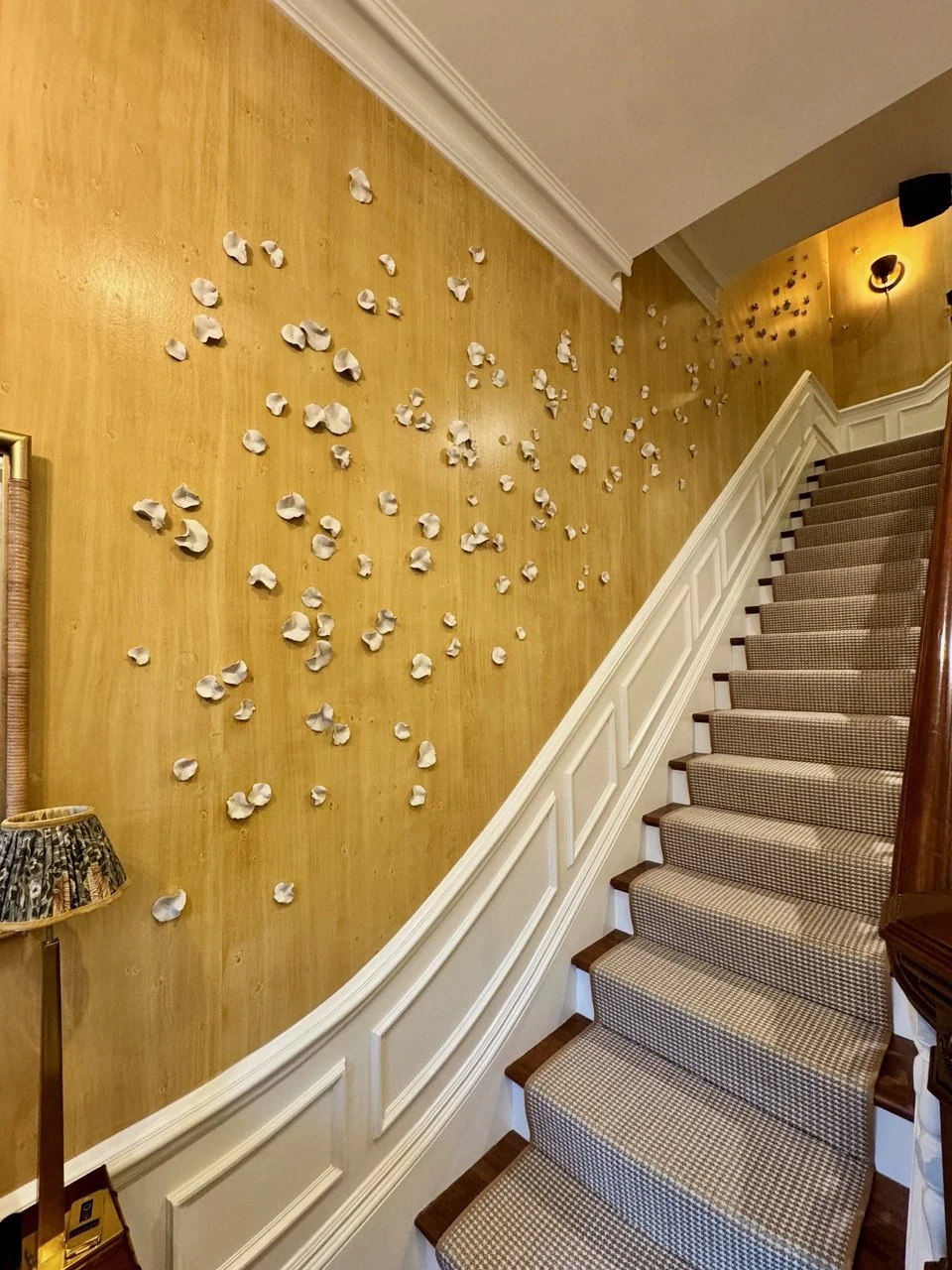
For a recent Linda Pagani commission in Boston’s South End, we commissioned a Garden of Eve sculptural wall installation. Pagani’s sculptures are created in direct response to their environment, allowing the composition to evolve throughout the commissioning and installation process.
The project began virtually. We sent Pagani images of the desired wall, and she developed a proposal with multiple layout options. We reviewed the possibilities with the client and narrowed the selection before Pagani conducted a site visit, taking measurements and reference photos and beginning production of the delicate porcelain elements.
Pagani’s installation process is particularly collaborative. In addition to the porcelain sculptures, she creates a set of paper “flowers” that replicate the approximate forms and scale of the finished pieces. These paper elements are installed first, allowing the client, artist, advisor, and interior designer to experience the proposed composition directly on the wall.
From there, the arrangement can be refined in real time. Pagani physically moves each paper element, allowing everyone to assess spacing, scale, balance, and alignment from within the actual space. This hands-on process creates a shared visual reference and gives the client an opportunity to make informed decisions before the permanent porcelain pieces are installed.
The advisory team helps facilitate this dialogue, translating the client’s preferences into actionable feedback for the artist while also ensuring that the composition remains true to Pagani’s artistic process. We also coordinate the practical elements of the project, including communication between the artist, client, and designer, site readiness, production, and installation scheduling.
Importantly, the commission did not necessarily end when the installation was complete. After living with the work for several months, the client decided to add additional sculptural elements to complement a newly installed mirror. Pagani was able to develop additional pieces that extended the original composition and responded to the updated space.
This is one of the unique benefits of working with an artist on a commission: the relationship can continue beyond the initial installation, allowing the artwork to evolve alongside the home. These details may happen behind the scenes, but they are essential to creating a commission that feels considered, cohesive, and genuinely integrated into its environment.
From Idea to Installation
Commissioning artwork brings together creative vision, artist relationships, spatial planning, and careful coordination. Our advisory role connects each stage of the process, from identifying the right artist through production and final installation.
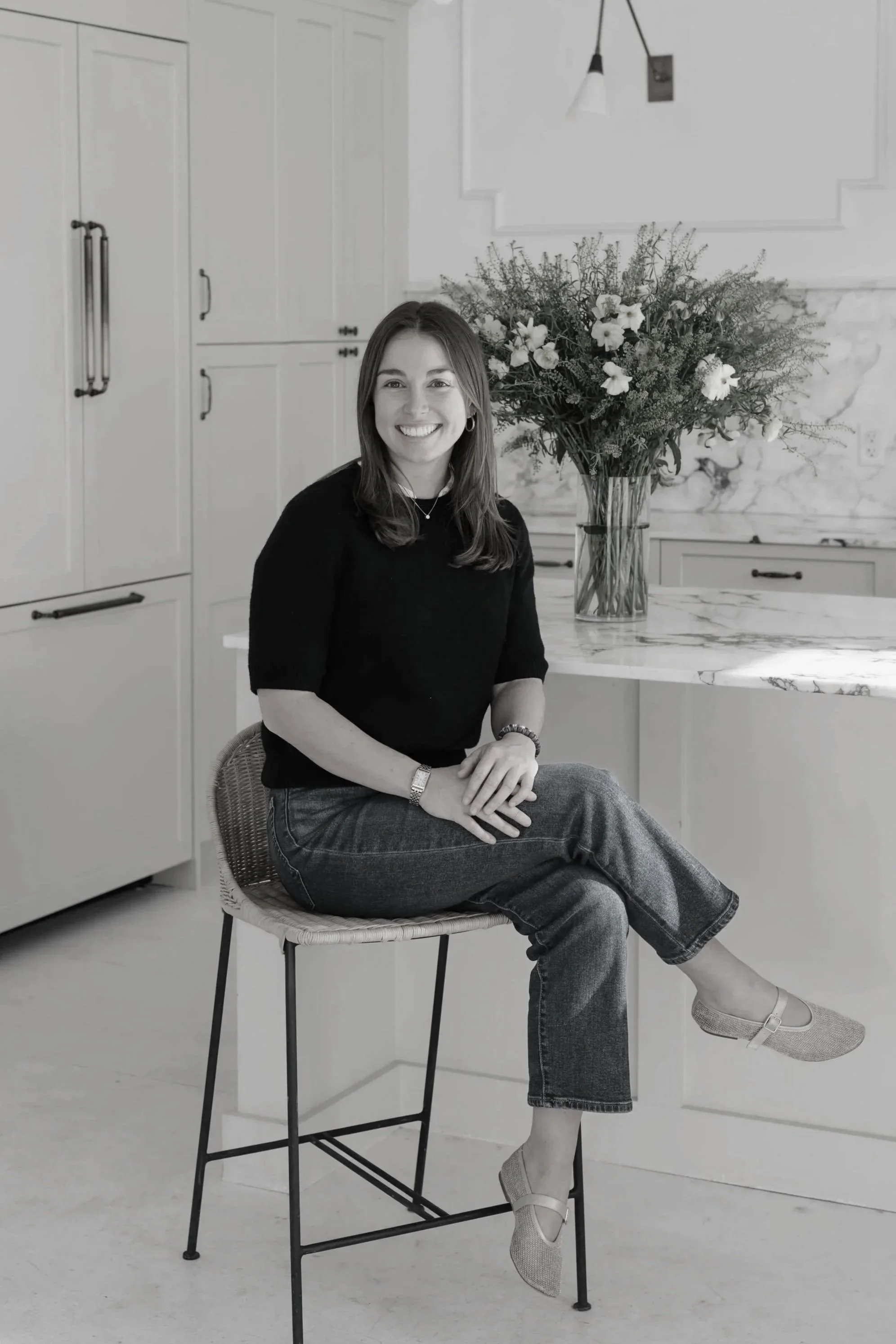
Katie Morse
Katie joined the team in 2024, bringing a business education and a lifelong connection to galleries. Raised on Martha's Vineyard, she spent summers in her family's galleries, learning the value of thoughtful relationships between artists, patrons and place. A semester at Roberts Projects in Los Angeles expanded her perspective on contemporary art.