So You Want to Be An Art Advisor
Breaking into the art world rarely follows a straight path. For many, it’s a journey shaped by curiosity, chance encounters, and a willingness to take risks. Art advising, in particular, is one of those careers that few people set out to pursue until they stumble into it and realize it’s exactly where they’re meant to be.
At its core, this field is about connection (yes, we say this all the time!) between artists and collectors, between creativity and strategy, and between intuition and expertise. There’s no single roadmap to becoming an art advisor, but along the way, our team has learned a few things about building a career in the arts, following your instincts, and creating opportunities where they didn’t exist before.
Our team comes from a range of backgrounds, from auction houses and galleries to interior design firms, and that diversity is what gives our work depth (and keeps our office fun!). For this post, I sat down with Katie Morse to talk about her path into art advising, what she’s learned along the way, and how following her passion led her here.
Can you share a little about your background and what first drew you to the art world?
I was lucky to grow up surrounded by art, my parents own The Granary Gallery on Martha’s Vineyard, so from an early age, I got to see both sides of the art world: the creative energy of artists and the business that makes it all possible.
While studying at Northeastern University, I took part in their co-op program and spent a semester working at Roberts Projects in Los Angeles. That experience confirmed that I wanted to build a career in the art world.
Was art advising always on your radar, or did you discover the field along the way?
No, I actually discovered art advising while I was in college. It felt like a perfect fit once I learned about it, combining my business background with my personal love for art. It was this realization that you could bridge the creative and the commercial sides of the art world in such a meaningful way that really drew me in.
What was your very first job or internship in the arts, and what did you learn from it?
My first job was working for my family’s gallery, and it was the best introduction I could have had to the art world. I learned how to really talk about art, not just describe it, but communicate its value and meaning to clients. It also helped me develop my eye and understand how personal art collecting can be.
Breaking Into Art Advising
For someone interested in art advising, what skills or experiences do you think are most important early on?
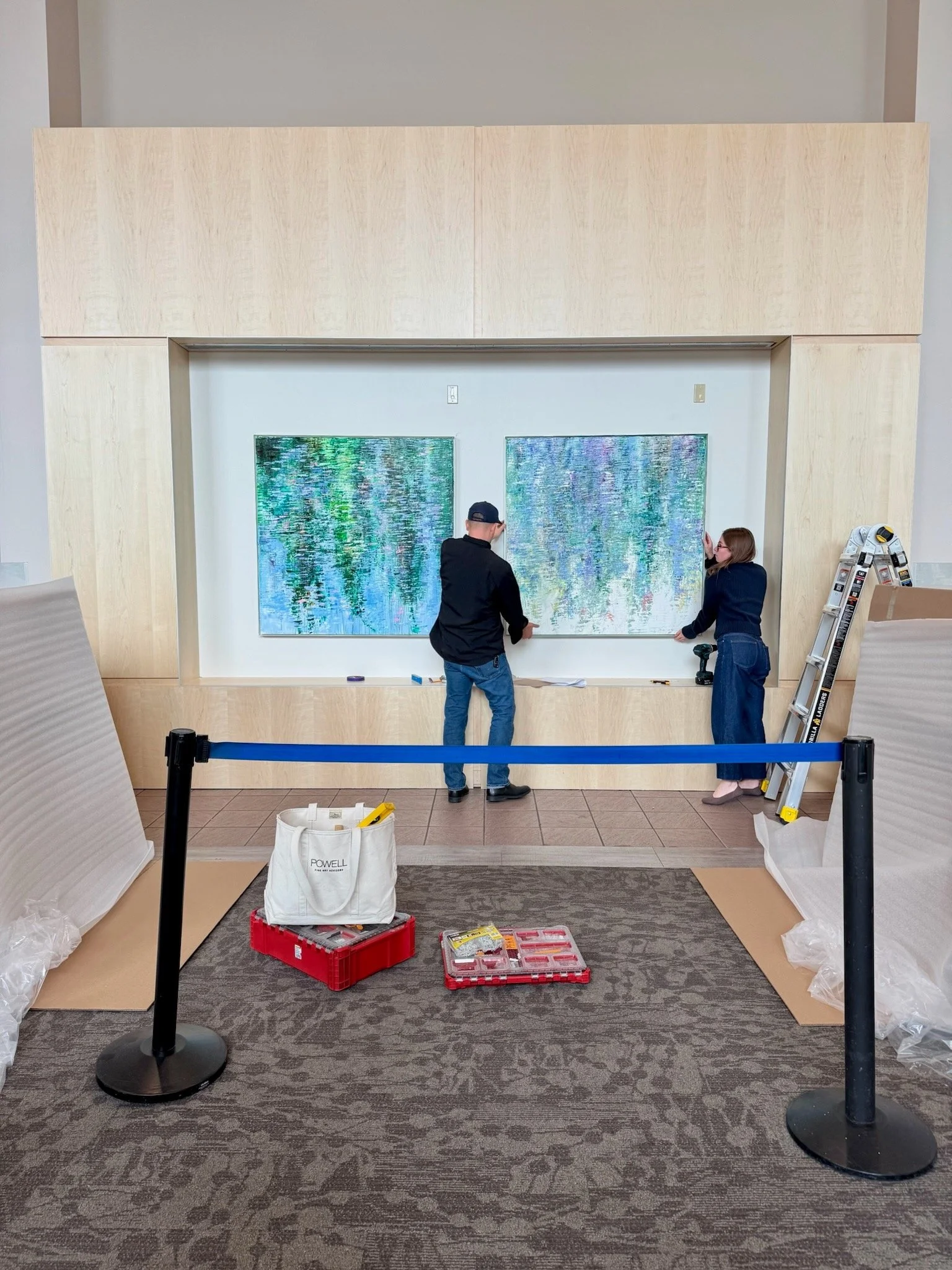
Attention to detail is absolutely essential, it’s the foundation of everything we do. You also need to understand the broader art ecosystem: where the market has been, where it’s heading, and who the key players are. Art advising is collaborative by nature, so being able to communicate clearly and work well as part of a team is just as important as having a great eye.
The Work Itself
What does a “day in the life” look like for you?
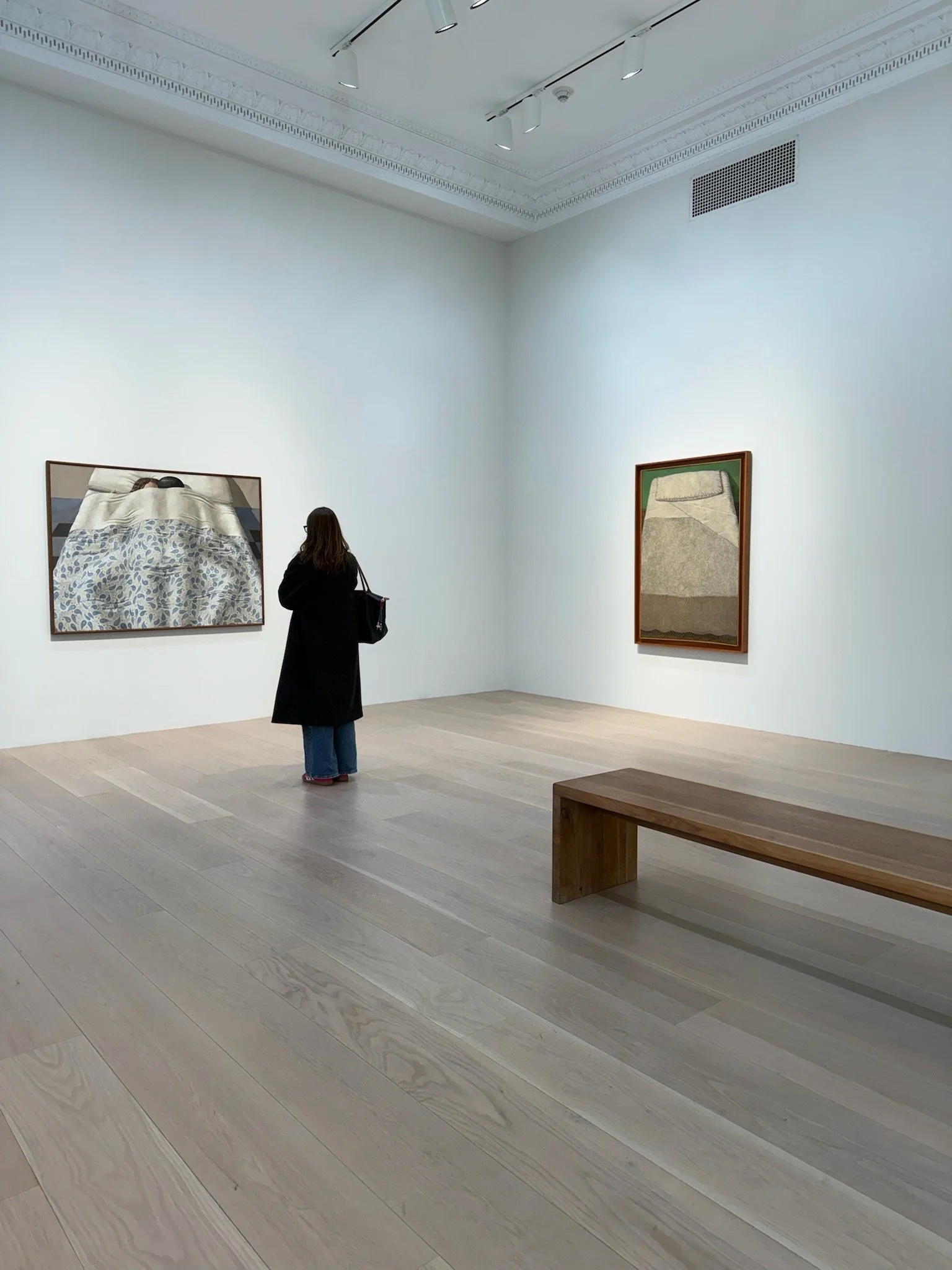
My days usually start with some planning, figuring out what needs to get done that week and checking in with the advisors to see what viewings, installations, or shipments are on the schedule. I handle a lot of the logistics, so I’m constantly coordinating between our team, galleries, and Cypress, our art handling arm.
There’s a lot of moving parts, from managing inventory to making sure artworks are packed, transported, and installed safely. It’s definitely a juggling act, but I love it, it keeps things exciting, and every day feels a little different. Plus, it’s so rewarding to see everything come together when a project finally clicks into place.
What part of the job surprised you the most when you first started?
I was really surprised by how collaborative the job is. There’s so much teamwork involved behind the scenes, constant communication between advisors, registrars, and our art handling team to make every project come together smoothly. It takes a lot of coordination to get things right, but that collaboration is also what makes the process so rewarding.
What’s the most rewarding part of the work - and what’s the most challenging?
It’s that moment on installation day when everything comes together - the art, the placement, the framing, all the logistics - and it just works. Seeing it all come to life in a space is so satisfying. The most challenging part is that there are a lot of moving parts to manage, and things don’t always go perfectly, but when it does come together, it’s worth every bit of effort.
Advice for Aspiring Art Advisors
What advice would you give to someone just starting out in this field?
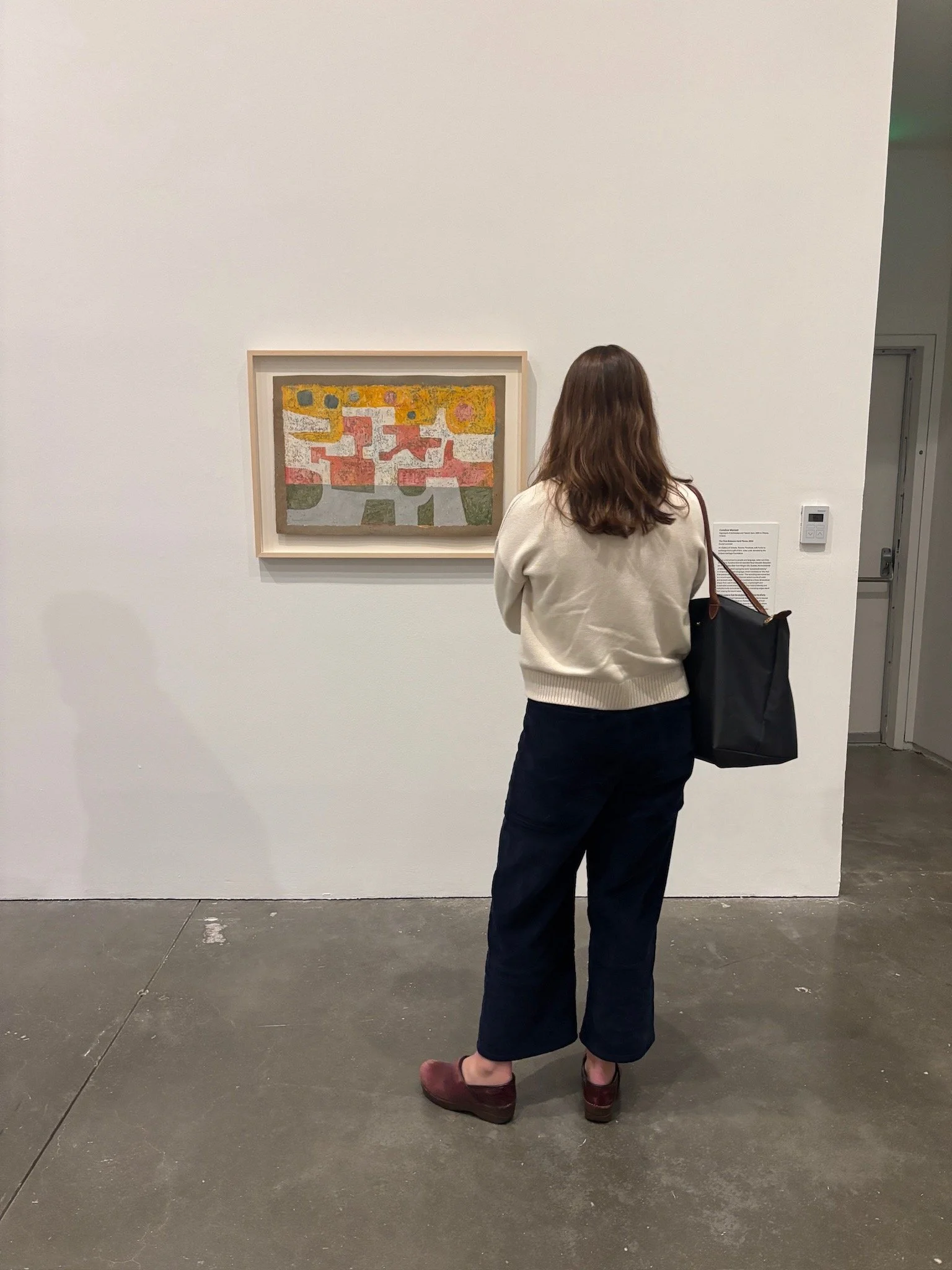
See as much art in person as you can. Experiencing work firsthand sharpens your eye and reminds you why you love it in the first place.
What’s your dream project or placement?
I’d love to work on a boutique hotel project here in New England.
What are you looking forward to?
I can’t wait for the official launch of Cypress, our in-house art handling company. Growing it and making great art handling more accessible - luxury art handling for the people.