
Understanding the Consignment Process: A Guide to Selling at Auction
Deciding to part with a work of art is rarely a simple transaction. Whether you are refining a collection, settling an estate, or responding to a change in circumstances, consigning a piece to auction can feel like handing something precious into an unfamiliar system. The auction world moves on its own terms, with its own vocabulary, timelines, and relationships. Having an experienced advisor in your corner can change the experience entirely and often the outcome. Here's how the consignment process works, and where a firm like ours adds value.

Gary Hume, Vase with Flowers, enamel on aluminum, 53 ⅛ x 38 ⅝ in., 2019
What "Consigning" Means
Consigning simply means entrusting a work to an auction house to be offered for sale on your behalf. The auction house catalogs the piece, assigns it a pre-sale estimate, markets it to prospective buyers, and conducts the sale. If the work sells, the house deducts its commission and remits the remaining proceeds to you. Although it may appear straightforward, decisions made along the way, including selecting the right sale, setting an appropriate estimate, negotiating terms, and marketing the work, can have a meaningful impact on the final result. That is where experienced guidance adds the most value.
It is also worth noting that this is not limited to fine art. Auction houses handle a wide range of property, from paintings and sculpture to furniture and decorative objects, jewelry, watches, handbags, and other collectibles. Many houses specialize in particular fields, which is precisely why matching each piece to the right venue matters so much. Whatever you are looking to sell, the same principles apply.
Not every work belongs at auction. In some cases, we may recommend against consigning altogether if another sales strategy is likely to better serve our client's goals. Sometimes a private sale, gallery placement, or holding the work longer will produce a better outcome. Part of our role is helping clients determine whether auction is the right strategy before the consignment process begins.
Access to the Key Players
One of the clearest advantages of working with an advisor is access. Over the years we have built working relationships across the auction market, from internationally recognized houses such as Christie's and Sotheby's to respected regional firms in New England, including Eldred's, Grogan & Company, and Doyle.
That range matters because the biggest name is not automatically the right home for every work. A piece that might be overlooked in a crowded international sale can become a highlight in a specialist or regional auction, drawing more focused attention and a stronger result. We help match each work to the venue where it will perform best, and our relationships mean we can advocate for you directly with the specialists who run those sales.
Making Sense of the Numbers
When you approach an auction house on your own, you are largely taking their proposed estimate at face value. When you work through an advisory, you gain an independent check on whether a proposed estimate and consignment terms are aligned with current market value.
We draw on recent comparable sales and current market demand to determine whether a proposed estimate is fair, conservative, or optimistic. That perspective helps you set realistic expectations and, just as importantly, recognize when a work may be undervalued before it goes to auction.
The same principle applies to the reserve. The reserve is the confidential minimum price you are willing to accept for your property. If bidding does not reach it, the work goes unsold, or "bought-in," and returns to you. Auction houses may recommend lowering a reserve to increase the likelihood of a sale. In some situations that is the right strategy, but it also means accepting a lower minimum price. We help you evaluate the tradeoff so any decision is made deliberately and with a full understanding of the implications.
Negotiating Better Terms
Most first-time consignors are surprised to learn that consignment agreements are not standardized. Many of the financial and contractual terms are negotiable, particularly for works for which there is strong market demand, and an experienced advisor can often secure arrangements that an individual consignor would be unlikely to obtain on their own. Seller's commission, marketing expenses, and restoration costs are all subject to negotiation, but the most meaningful opportunities often go further than that.
One example is an enhanced hammer agreement, in which the consignor receives an additional share of the proceeds beyond the standard arrangement. Because auction houses collect a buyer's premium in addition to the hammer price, these agreements can include a portion of that premium, meaning more of what the work earns from the sale ends up with you.
Another is a third-party guarantee. Under this arrangement, an outside party commits to making an irrevocable bid at a predetermined level before the sale. This provides greater certainty by ensuring there is already a committed bidder before the sale begins. At the same time, it provides the consignor with a guaranteed minimum financial outcome while preserving the opportunity for competitive bidding to drive the final price higher.
We Handle the Paperwork and the Logistics
Consignment involves more administration than most people expect. There are agreements to review, terms to understand, condition and insurance considerations, and the physical task of getting the property safely to the auction house.
We manage every stage of the consignment process on your behalf. We organize and review the paperwork so you understand exactly what you are agreeing to, and we coordinate the logistics of transporting the work to the auction house while ensuring it is handled with appropriate care. You have a single point of contact and a process managed from start to finish, rather than a stack of forms and shipping arrangements to handle on your own.
Results That Speak for Themselves
The value of a considered approach shows up in the results. A few recent examples from works our clients consigned:
Gary Hume, Vase with Flowers (2019): estimated at $10,000–$15,000 and hammered at $25,000, realizing $32,000 (including buyer's premium) in Sotheby's Contemporary Discoveries sale, July 2026.
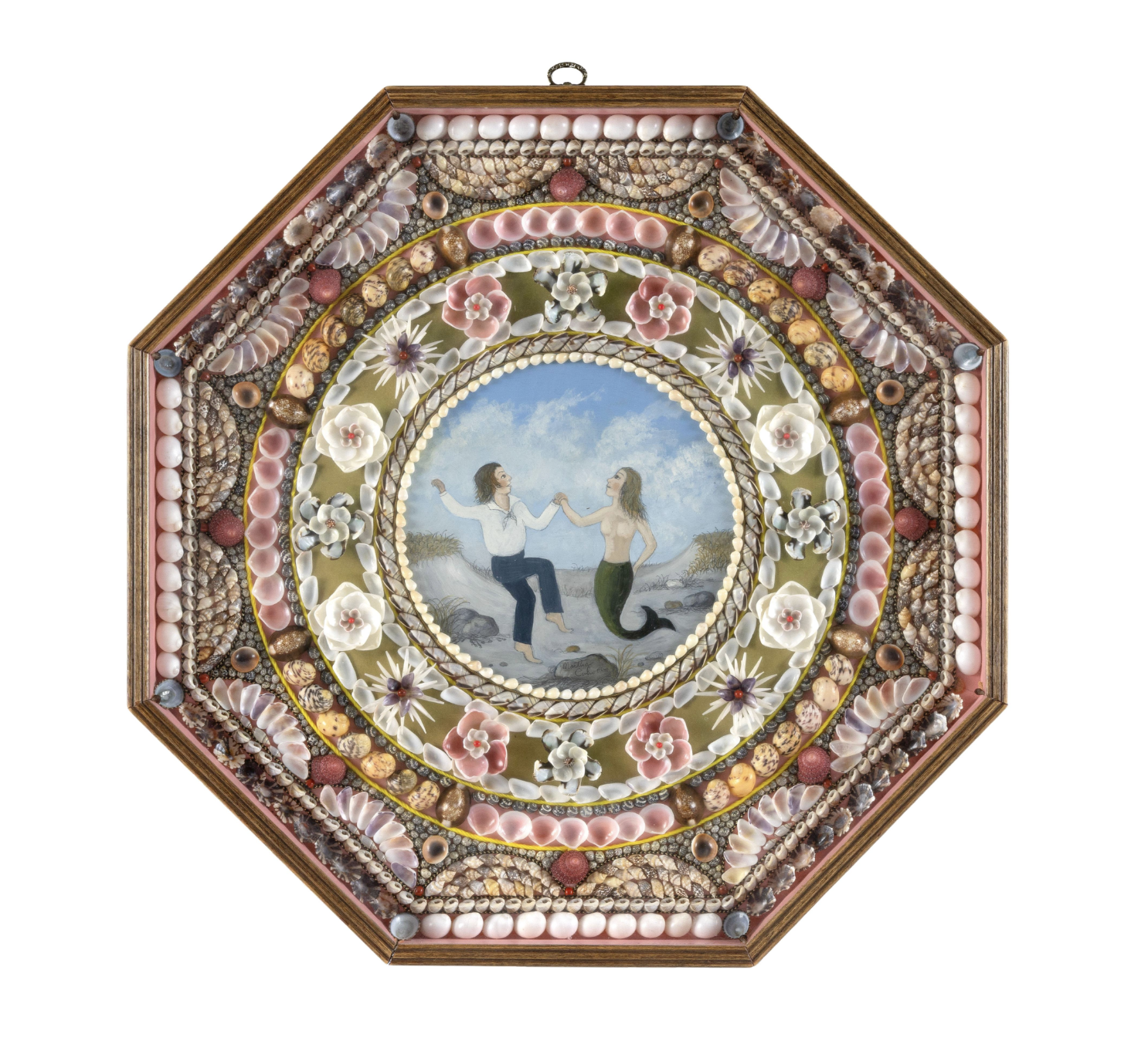
Martha Farham Cahoon, Sailor and Mermaid Dancing in the Dunes (1985): estimated at $8,000–$12,000 and hammered at $20,000, realizing $25,200 (including buyer's premium) in Eldred's Americana Week, July 2026.
Nest of Six Martha Wetherbee Nantucket Baskets (1997): estimated at $500–$1,000 and hammered at $2,300, realizing $2,944 (including buyer's premium) in Eldred's Summer Living sale, June 2026.
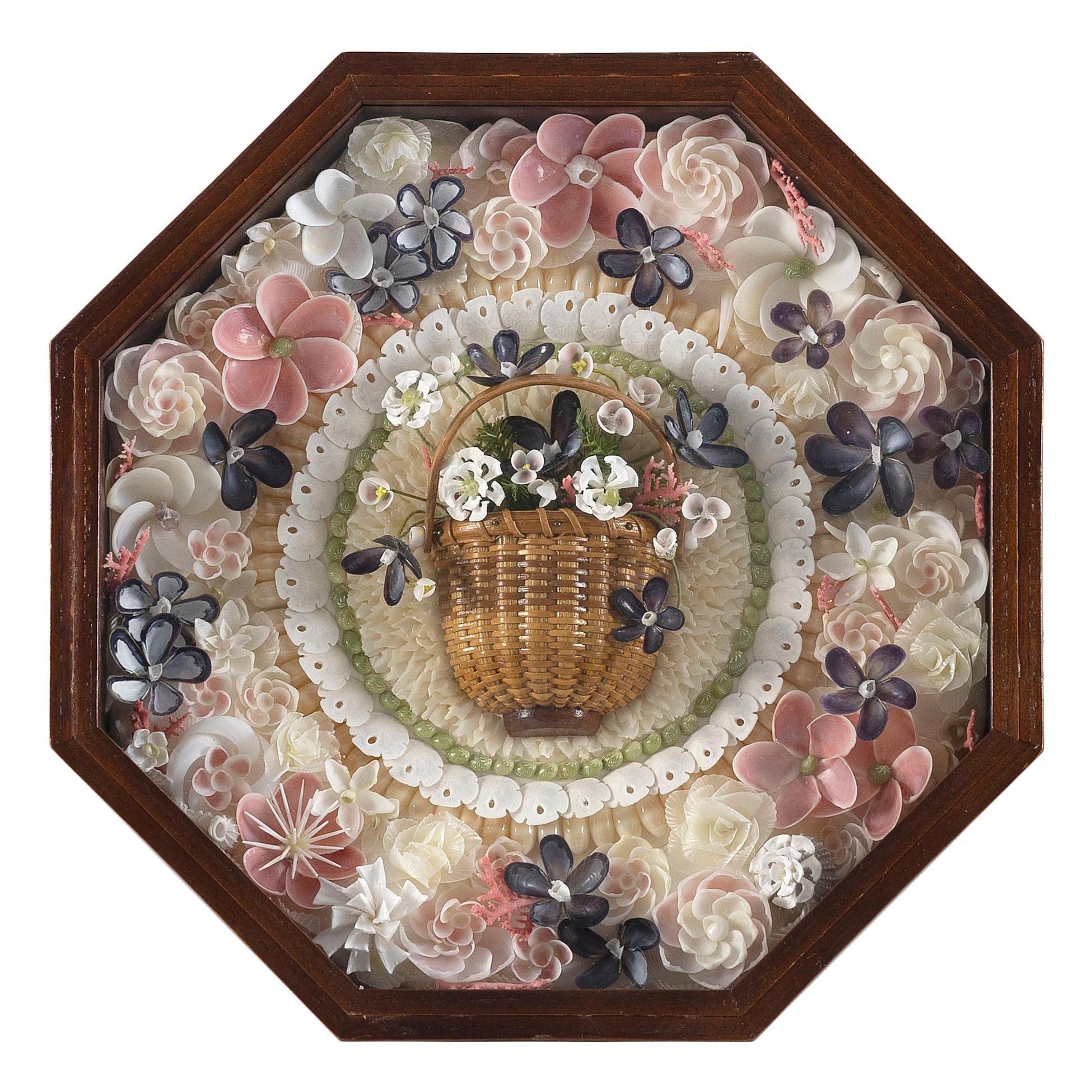
Sandy Moran, Sailor's Valentine Depicting a Bouquet of Flowers in a Nantucket Basket: estimated at $600–$900 and hammered at $11,000, realizing $14,080 (including buyer's premium) in Eldred's Annual Women in the Arts Auction, March 2026.
Otto Piene, The Black, the Fire and the Flower, (1974): estimated at $10,000–$15,000 and hammered at $19,000, realizing $24,320 (including buyer’s premium) in Freeman’s Post-War & Contemporary Art, May 2026.
Strong estimates and the right sale placement give a work its best chance to find committed bidders, and results like these are what a thoughtful consignment strategy is built to achieve.


Curious Whether Your Property Is a Candidate?
If you've ever wondered what a work in your collection might achieve at auction, or simply want to better understand your options, we'd be happy to talk it through. An initial conversation comes with no obligation, and often the greatest value is gaining a clearer understanding of your property's place in today's market. When the time is right, we're here to help you navigate the consignment process with confidence.
A Quick Glossary of Terms
Consignment: Entrusting property to an auction house to sell on your behalf. If it sells, the house takes a commission and the remaining proceeds go to you.
Estimate: The price range the auction house expects a work to sell within, published in the catalog to guide prospective bidders.
Reserve: The confidential minimum price the consignor is willing to accept. If bidding does not reach it, the work goes unsold or bought-in.
Hammer Price: The winning bid at the moment the auctioneer's hammer falls. Seller proceeds are generally calculated from this amount, although negotiated agreements may affect the final distribution of proceeds.
Buyer's Premium: An additional percentage the buyer pays on top of the hammer price, charged by the auction house. It is added to the hammer price, not deducted from the seller's proceeds.
Price Realized: The total amount paid by the buyer, consisting of the hammer price plus the buyer's premium. This is the figure auction houses most commonly report after a sale.
Bought-In: A work that fails to meet its reserve and therefore does not sell, returning to the consignor.
Seller's Commission: The percentage the auction house retains from the hammer price as its fee for selling the work.
Enhanced Hammer Agreement: An arrangement in which the consignor receives proceeds beyond the standard split, sometimes including a share of the buyer's premium.
Third-Party Guarantee: An arrangement in which an outside party commits in advance to make an irrevocable bid at a specified level, providing the consignor with greater certainty and a guaranteed minimum financial outcome while preserving the opportunity for additional bidding.
Irrevocable Bid: A binding commitment by a third party to bid at least a specified amount before the sale. This commitment underpins a third-party guarantee and provides the consignor with a guaranteed minimum financial outcome.
Considering a Sale?
We help collectors evaluate when, where, and how to sell artwork, from initial market research through negotiation, transportation, and final settlement.




Caroline Browne
Caroline brings a discerning eye and a client-centered approach shaped by experience across galleries, museums and private advisory. Before joining Powell, she held roles at Pace Gallery, the Barnes Foundation and the Copley Society of Art, and served as Assistant Collections Manager at The Heller Group, managing significant acquisitions and complex, large-scale installations.